 ASSEMBLIES OF GOD
Mirroring the Neighborhood

As the new millennium dawned, new Whittier Family Church staff pastors Luke Barnett and David M. Ansell knew the Southern California church's survival depended on a concentrated effort to better reflect the ethnic representation of the community.
At the time, the 400 regular attendees of the Assemblies of God church consisted primarily of older whites -- in a neighborhood where few older whites lived. The church leaders began implementing outreaches such as busing kids to Sunday School and Adopt-a-Block, where church members built relationships with residents of a specific area through acts of service.
"The community is 90 percent Hispanic and that is now the makeup of our congregation," says Ansell, who has been lead pastor of the church since Barnett left in 2006. The church also has quadrupled in size since 2000, with young families, often from a Catholic background, dominating the demographics.
Whittlier Family Church continues to minister via a bus ministry, food pantry, and clothing giveaway. But Ansell, who is white, says most people decide to be a part of the body though an assimilation process stemming from weekend service attendance and community group involvement.
"We're out to reach the lost, so we cannot ignore those right in our neighborhood," Ansell says. "If who lives in the community shifts, then the church ought to shift its focus and make the new people feel welcome."
Four years ago, Whittier Family Church agreed to become a Parent Affiliated Church (PAC) to a struggling AG congregation in Signal Hill. Then only 25 elderly people worshipped at the site, 25 miles southwest of Whittier. Today, with Ansell's son Matt as campus pastor, Signal Hill has 250 attendees of a variety of ethnicities, including white, Hispanic, Filipino, African-American, and especially Cambodian.
AG SoCal Network Superintendent Rich Guerra, whose grandparents on both sides emigrated from Mexico, says reaching the unchurched is challenging in the most multicultural region of the nation.
"When many of our churches started, the communities were overwhelmingly Anglo," Guerra says. "Now the reverse may be true, but church attendees still are predominantly Anglo."
Guerra, who has been in the post since 2010, notes that the AG lost a presence in some urban areas because congregations relocated to suburbs in the early 1970s when more minorities moved into cities. Guerra says the SoCal Network has embarked on a yearlong study with urban church experts on how best to aggressively plant churches in inner cities so that a presence can be re-established there.
John E. Johnson had a similar experience to Ansell as pastor of Covina Assembly for 15 years until last October.
"The world has come to Los Angeles," Johnson says. "A pastor in Southern California must be both multicultural and multigenerational."
When Johnson arrived in Covina Assembly, few nonwhite faces dotted the typical crowd of 800.
"But if you went to any store or school in the community, the vast majority of people would be Hispanic or Asian or black -- not white," says Johnson, who is white. He made plans to intentionally reach the surrounding community. Part of the strategy included starting a Spanish-language congregation within the church.
"As we began to open our hearts to different ethnicities they began to come in and the complexion of the congregation changed," Johnson says. "Now if you go to Covina Assembly it's like going to the United Nations."
Covina AG has spread to a dozen other campuses across the Los Angeles area in PAC relationships. Half of those are in specific language groups: Thai, Indonesian, Filipino, and Spanish. In all, 2,300 people regularly attend the various sites.
Johnson says intentionality at the church ranged from holding international food nights to ensuring that materials, including signage, are written in Spanish as well as English. Covina AG installed Lee McFarland as lead pastor in March to succeed Johnson, who is now AG SoCal Network assistant superintendent.
"I believe every people group needs to hear the gospel in their mother tongue," Johnson says. "We have to be intentional to reach different cultures."
Johnson's portfolio includes international ministry as assistant superintendent.
"The first-generation migrant is the most open to the gospel," Johnson says. "They want to speak English and to be American. If we focus on reaching them, we will reach the second and third generations."
What to Read Next
Journey Training 2026: Renewed and Equipped for Gospel Access
During weeks-long Journey Training in June, scores of new missionary associates and career missionaries were commissioned and mentored by veteran missionaries who also attended for the fellowship and spiritual renewal.
Affirmed for Ministry
As a child Maria Valdez Perez was told she would never amount to anything, but she found affirmation through an AG Girls Ministries group who introduced her to Jesus.
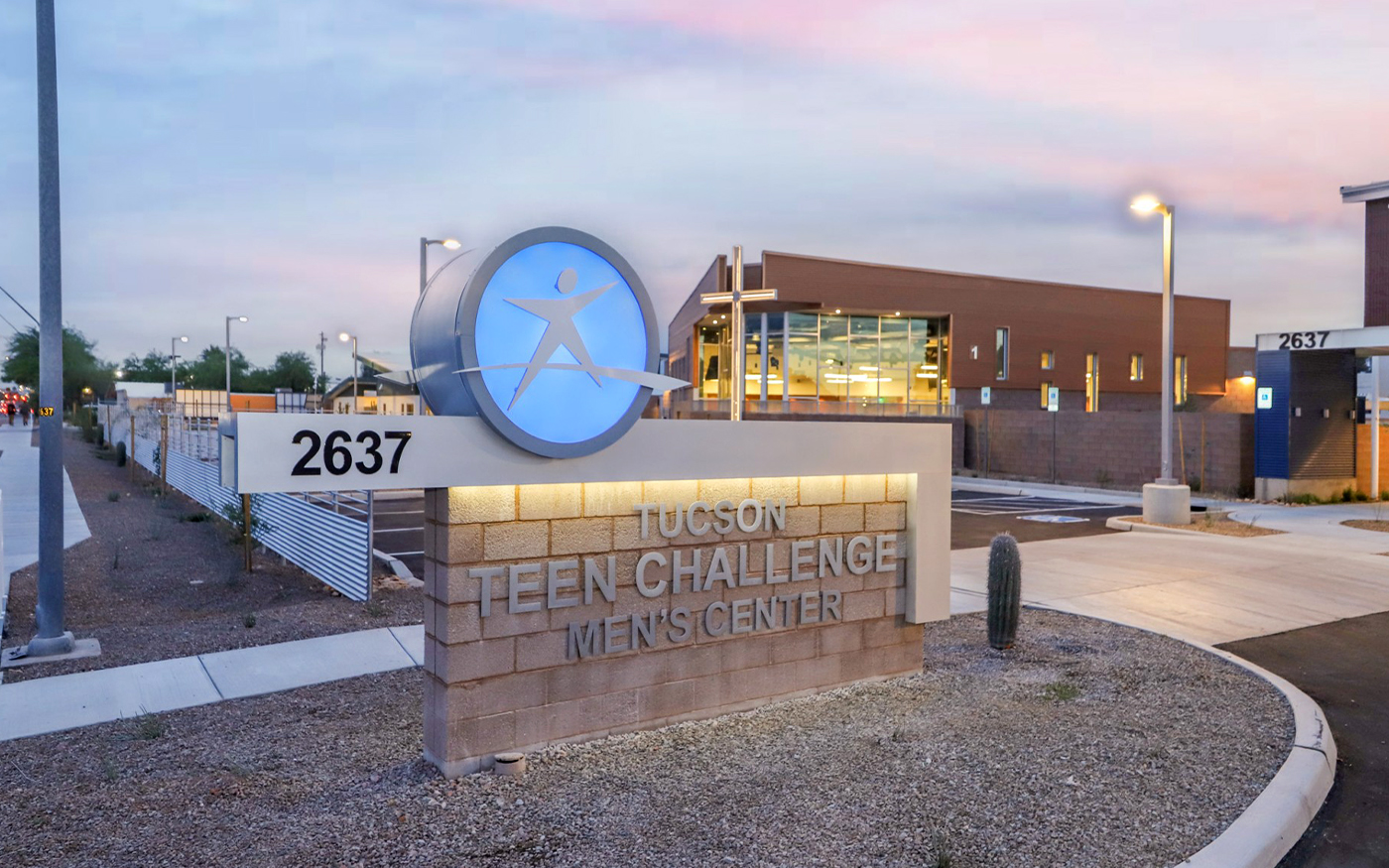
Built on Miracles
A property once surrounded by addiction and crime, Teen Challenge of Arizona's new Tucson Men's Center now stands as a testament to God's faithfulness.
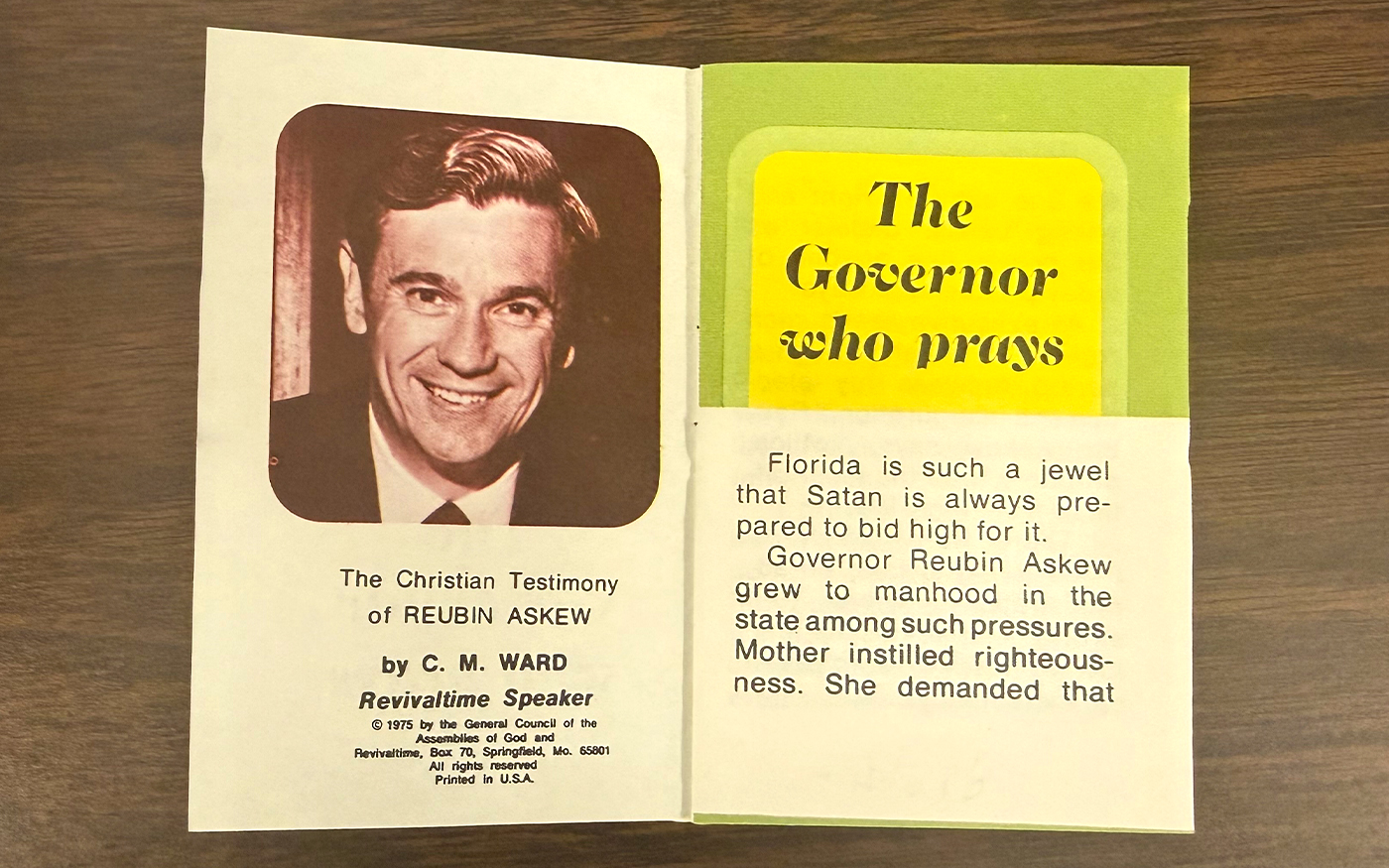
This Week in AG History — July 13, 1975
C.M. Ward interviewed many famous individuals for the Revivaltime radio program, including a governor known for his integrity and faith, Reubin Askew
