 ASSEMBLIES OF GOD
Accumulation Overload
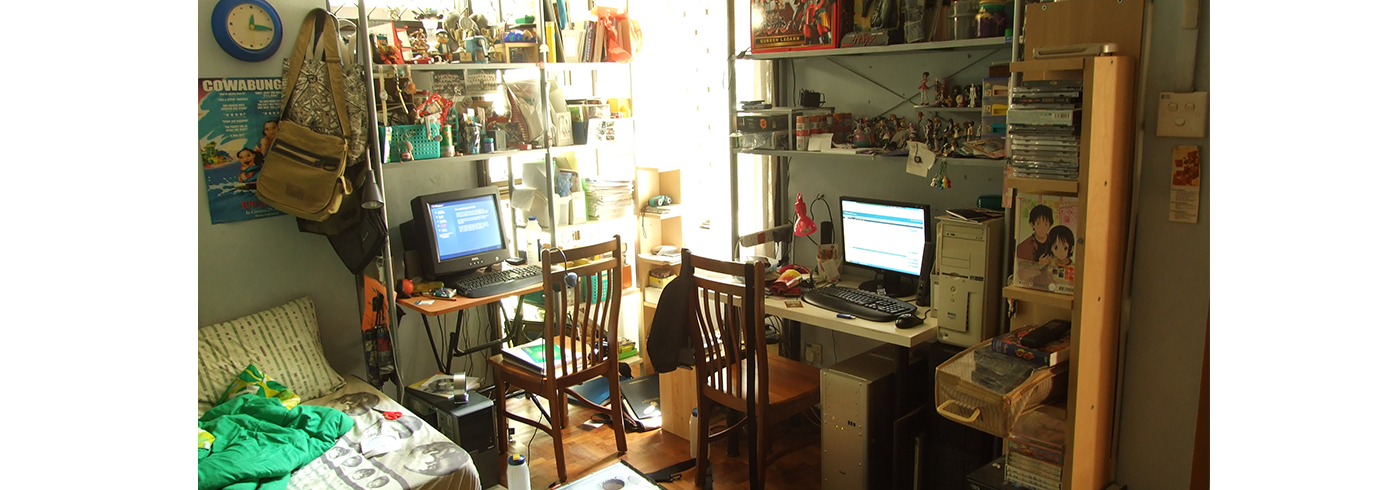
Jay Davis, 60, of Kansas City, Kansas, walked through the rooms of her 4,600-square-foot house, with its numerous furnishings, refrigerators, bathrooms, and neatly hidden away knickknacks and treasures and made a startling realization.
"It's too much stuff!" she said. "I can't clean it and I don't need it."
Davis admits she never recognized the extent of her accumulation because she knew how to tuck so many things away where no one would notice. With the large living area, a three-car garage, and a full basement to fill, she had a lot of space. At one point, however, she dreaded even going to the store out of fear of buying something and not knowing where to put it.
"I filled that space well," Davis says.
Davis isn't alone in her collecting habits. Researchers have found that most Americans accumulate more material goods than they could ever hope to use in a lifetime -- from clothing to electronic gadgets to even to spiritual merchandise. Technology has only exacerbated the problem, since people now may purchase with the click of a button and have the item arrive on their doorstep within a day.
A U.S. Commerce Department data analysis showed Americans spend $1.2 trillion annually on nonessential items. Only 25 percent of garages can store a car because of household overflow.
And for one out of every 10 Americans who need more space than their houses and garages allow, more than 50,000 off-site storage facilities are ready and willing to accommodate.
Yet according to licensed psychologist Donald Lichi, vice president of Emerge Counseling Services, for all the excessive accumulation, those material goods do little to bring consumers security, peace, or happiness.
"Things won't satisfy or bring you lasting happiness," Lichi says. "It may bring you a temporary sense of not sadness, but it won't last long," he says.
If the consumption doesn't fulfill, then why do so many Americans continue to collect what they don't need? Lichi believes there are a number of reasons, including low self-esteem, pride, a desire for status, and fear.
"Theologically, this kind of behavior is actually a form of idolatry," he says. For too many people it takes the place of our primary relationship with God. "What you see on the outside in terms of accumulation and clutter is really a representation of what is going on in the inside. Too much clutter and holding onto things for security is not trusting God."
And yet he's quick to clarify that a person's excessive consumption isn't as simple as just wanting something. It's really a spiritual battle.
He likens Americans' excessive consumptive behavior with the parable of the rich fool from Luke 12:16-21. Jesus told the story of a man who had a good crop and he decided to tear down his barns to build bigger ones. He would store all his crops and then sit back and take life easy. And yet God told him he would die that night, his accumulation being good for nothing.
Lichi encourages Christians to allow the parable be a lesson to encourage investment in what really matters -- relationships and cultivating a deep love for Jesus.
Davis, an author development coach, discovered that spiritual reality when within the past couple years, she and her husband, Tom, 58, an information technology consultant, experienced several challenges to their lifestyle that forced them to rethink their priorities. It began with a chronic fatigue syndrome diagnosis for her.
"I simply no longer had the energy to clean five bathrooms," she says. "Everywhere I looked, there were things that needed my attention -- to be cleaned or fixed or moved. I just couldn't do it."
A second reality check came when she and her husband traveled to Japan for a business trip. She saw the smallness of residences and how relatively few belongings Japanese had. She felt convicted when she realized her master bedroom suite was larger than many Japanese houses.
"I was throwing away more things than they even owned," she says. "And I thought, Why do I need all the stuff I have?"
Ultimately, spirituality spurred the push to change. This past year Dan sensed God telling him that his treasures had caused him to lose focus on God's will in his life. He cleared out his belongings, including selling his comic-book collection, which took up 37 boxes and filled most of the space in one bedroom.
Soon Jay felt God presenting her with the same challenge about her belongings. As Jay and Tom grasped how much they had been holding on to, they determined to make an extreme change.
"Our home has been a blessing because we've been able to use it to show God's hospitality," Jay says. "But without it, God can open more doors for us to pursue our calling. We both feel called to people who are far from God and we can't pursue what He asks of us if we're tied down to all this stuff."
The Davises decided to put their house on the market, sell everything but the necessities, and move into a simpler life.
"We're renting a small place, and probably will live as nomads while we discern where God wants us," she says. "We could never do that if we had boxes and boxes of things to haul around too."
Davis admits that their choice to get rid of almost all of their possessions is more extreme than what many people could make. But she believes many people with too much stuff should take initial steps to declutter. She believes the amount of time spent cleaning is a clue to whether priorities are in the right place.
"If you're focused on all that stuff, then you can't focus on the important things - people," Davis says. "Relationships last."
She suggests Christians visit a homeless shelter or a ministry that deals with underprivileged people and just observe.
"Then go back home and assess, 'What article of clothing have I not worn in the last year? What cooking equipment have I not used? What glassware? What furniture?" she says. "Box it up and donate it."
Lichi agrees.
"Take a look at the things you have and honestly evaluate everything," he says. "Can we bless someone else with our stuff? Do we really need everything we have?"
He believes that when Christians begin to free themselves from a consumptive lifestyle, they'll discover the freedom and intentionality of simplicity, which honors God by trusting Him.
Photo "My room" used in accordance with Creative Commons 2.0 license. Image credit: PP on Flickr

What to Read Next

Growing Tennessee Food Ministry Feeds Hundreds
River's Edge Fellowship's Loaves and Fishes food ministry is serving up hot meals and the hope of Jesus to hundreds in its Appalachian community.

Family Matters — Ignite Parenting Resources Bring Discipleship Home
Ignite Parenting provides resources for family discipleship, including those families with little to no Bible background.

CALLED Initiative Opens Pathways to Global Ministry Callings
CALLED leaders are collaborating with international AG partners to build sustainable ministry pathways.
Patterned for Discipleship
Pattern Platform is a digital resource that helps ministry leaders create their own simple, reproducible, and customized small-group discipleship app.
