 ASSEMBLIES OF GOD
Women Who Shaped the Fellowship
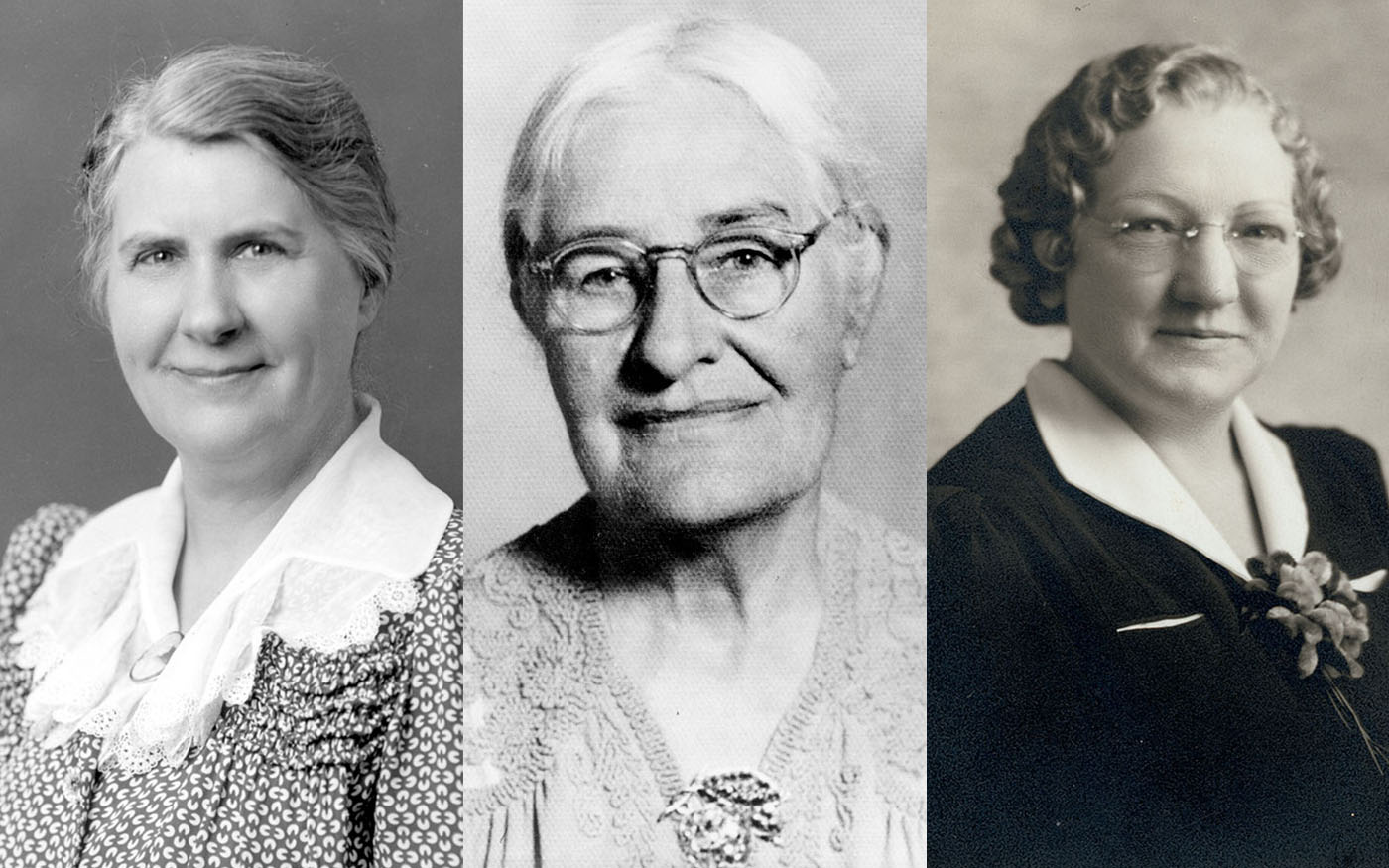
The Assemblies of God has a rich history of women who said yes to the call of God to serve as ministers. Notably, the AG was credentialing women ministers even before they had the right to vote in the U.S. Today, 30% of all AG ministers are women, serving at all levels of ministry including missionaries, evangelists, and pastors, as well as in leadership roles at the district and national levels.
Here are several notable women ministers who helped shape the Assemblies of God.
LUCY FARROW
Although not directly connected with the Assemblies of God, Lucy Farrow (1847–1911) was considered a trailblazer in the Pentecostal movement. She was influential in fellow Holiness preacher William J. Seymour’s life and participated in the Azusa Street Revival.
Born in Virginia, Farrow was likely the daughter of an enslaved mother and a white father, with many records suggesting she was a niece of abolitionist and orator Frederick Douglass — her mother being Douglass’ sister.
In 1905, Farrow was pastoring a small Holiness church in Houston when she met Seymour. During this time, Farrow became the first reported African American to experience the baptism in the Holy Spirit with the evidence of speaking in tongues.
Knowing of Farrow’s leadership and spiritual gifts, Seymour sent her money to cover her travel expenses to Los Angeles, California. She arrived in early April 1906, and as she and Seymour laid hands on participants at prayer meetings at 214 North Bonnie Brae Street, many, including Seymour, began to speak in tongues. This sparked the beginning of what became the Azusa Street Revival, lasting from 1906 to 1909.
The revival was notable in that it featured a racially integrated congregation, with both Black and white worshipers coming together to experience the Holy Spirit’s power.
Farrow’s leadership and contributions were crucial in this context, and her legacy lives on in the millions of Pentecostal believers worldwide who trace their spiritual roots to the revival and the transformative work of leaders like her.
ALICE LUCE
Alice Luce (1873–1955) was the foremost early missiologist in the Assemblies of God. A veteran Church of England missionary who was baptized in the Holy Spirit in India, where she served as a missionary in 1896, Luce felt called to work with refugees from the Mexican Revolution who lived along the borderlands in the United States. When she arrived in America, she discovered that she fit in well with the newly formed Assemblies of God.
She transferred her credentials to the Assemblies of God and became a pioneer educator, missionary, theologian, and author in the denomination. She started Latin American Bible Institute in California in 1926. She also led the Assemblies of God to adopt the indigenous church principle as its missions strategy in 1921. The strategy emphasizes planting indigenous churches and training local leaders.
Luce, a single female who never married, was representative of many early Assemblies of God missionaries.
BLANCHE BRITTAIN
Blanche Brittain (1890–1952) was a prominent Assemblies of God evangelist in the Midwestern states from the 1920s through the 1950s. She was a church planter and a pastor. She started more than 40 churches and was known as a powerful, anointed preacher of the Word of God.
Her powerful ministry was shaped in a crucible of suffering as her first husband abandoned her shortly after their marriage because he did not share her faith. Brittain continued on, and frequently traveled with other women ministers; she would preach and the others would lead singing and help organize outreaches. Brittain is representative of the countless early Assemblies of God female ministers who helped lay the foundation for the Fellowship.
ALICE REYNOLDS FLOWER
Alice Reynolds Flower (1890-1991) was the wife of J. Roswell Flower, the first general secretary of the Assemblies of God. A prominent AG minister in her own right, Flower was a popular speaker, a prolific author, and a spiritual giant in early Pentecostal circles.
She authored the first weekly Sunday school curriculum in the Pentecostal movement, which was published in the Pentecostal Evangel. She also wrote and spoke extensively on the spiritual life and the importance of families. She raised six children, five of whom entered the ministry.
Flower showed how a gifted, anointed female minister can be a ministry partner with her husband. Early generations within the Assemblies of God called her “Mother Flower” for her godly example, preaching and teaching, devoted prayer life, her writings, and pearls of wisdom.
EDITOR's NOTE: Read the official AG position paper, Women in Ministerial Leadership. Contributions to this article were provided by the Flower Pentecostal Heritage Center.
UPPER IMAGE: (L to R) Alice Reynolds Flower, Alice Luce, Blanche Brittain

What to Read Next
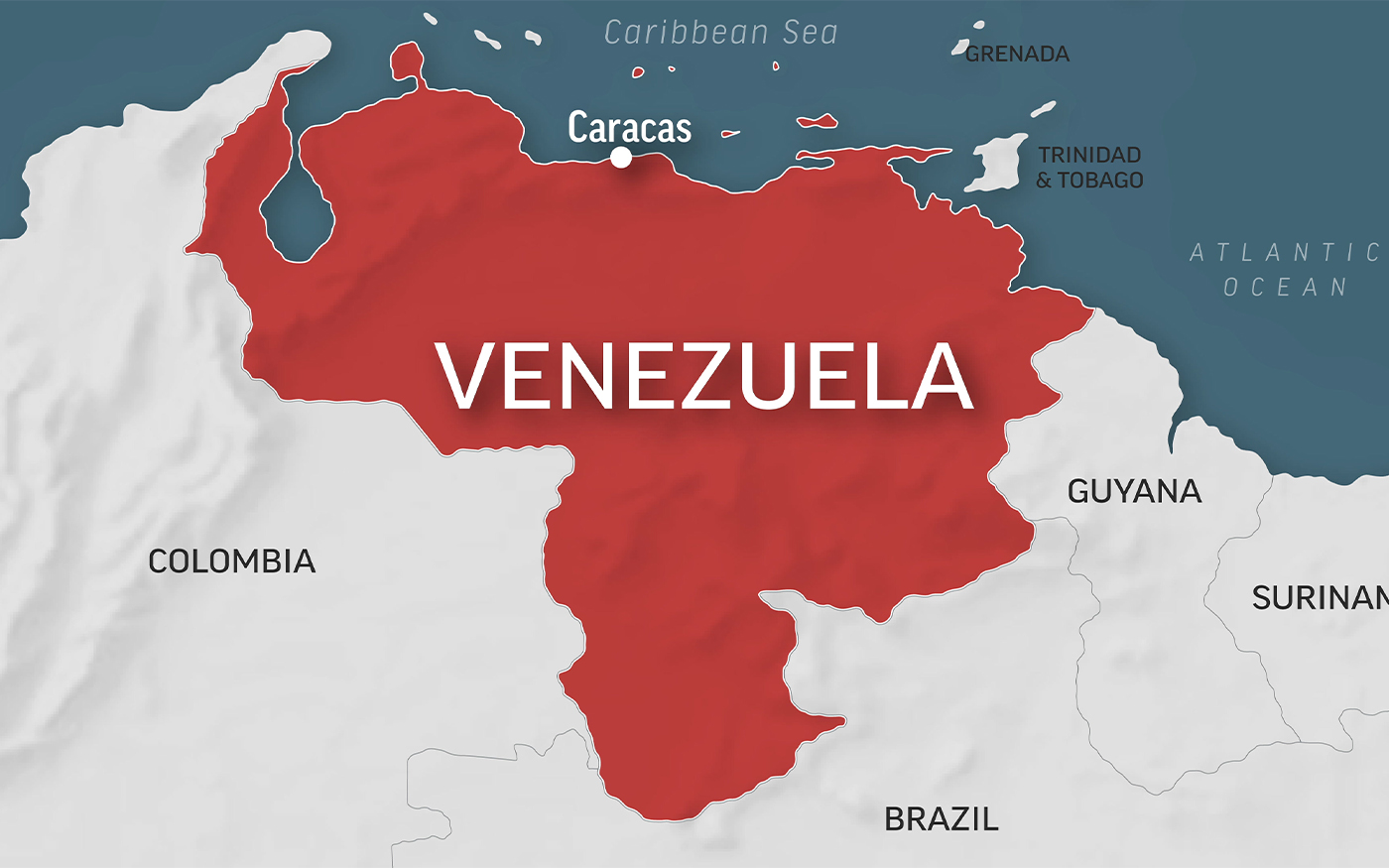
AGWM, Convoy of Hope Responding to Venezuela Earthquake Disaster
Prayers and support requested in wake of earthquakes in Venezuela.
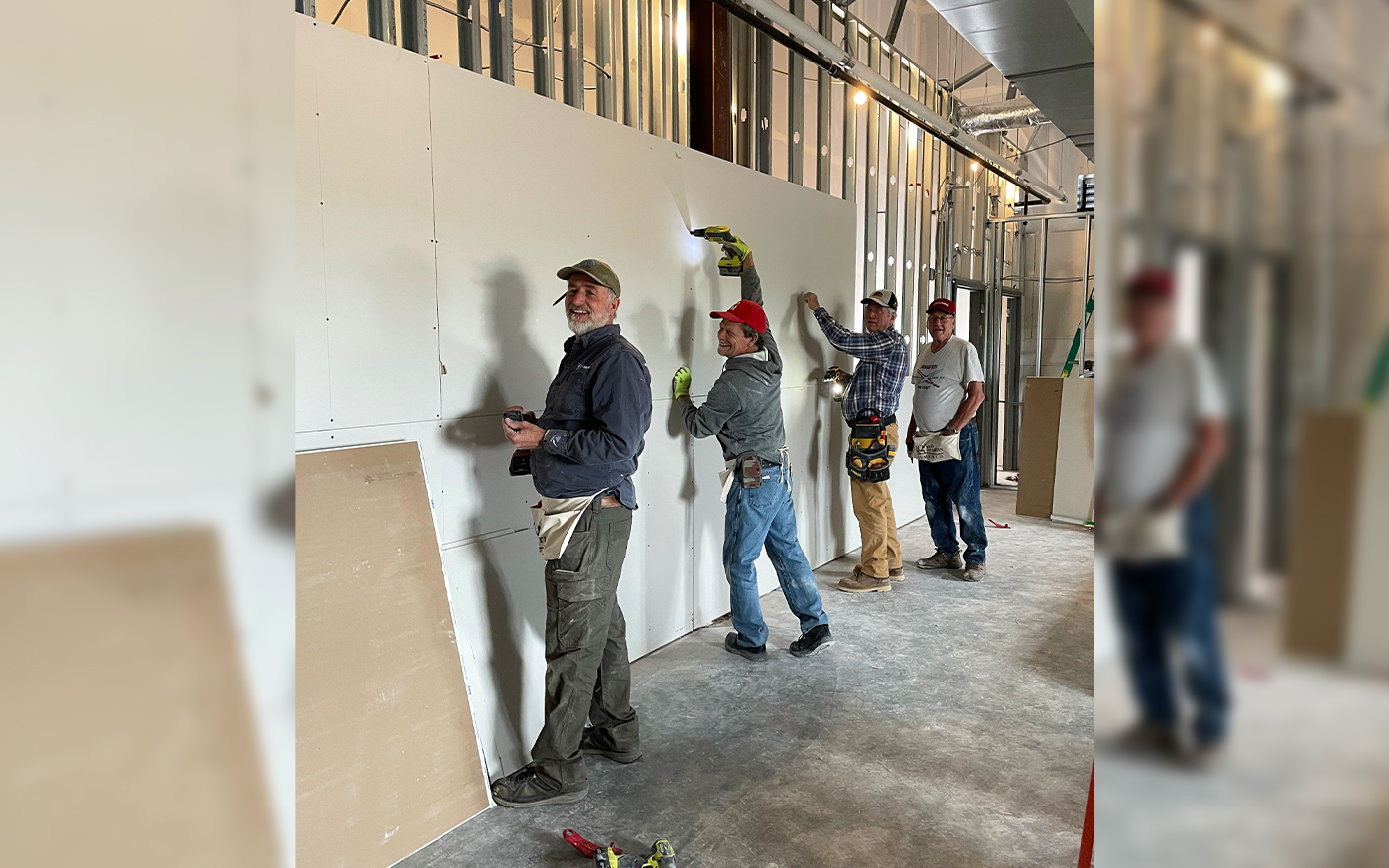
Church Mobilization Continues Helping Assemblies of God Churches Build for the Harvest
AG U.S. Missions Church Mobilization is making a significant impact on churches across the country.
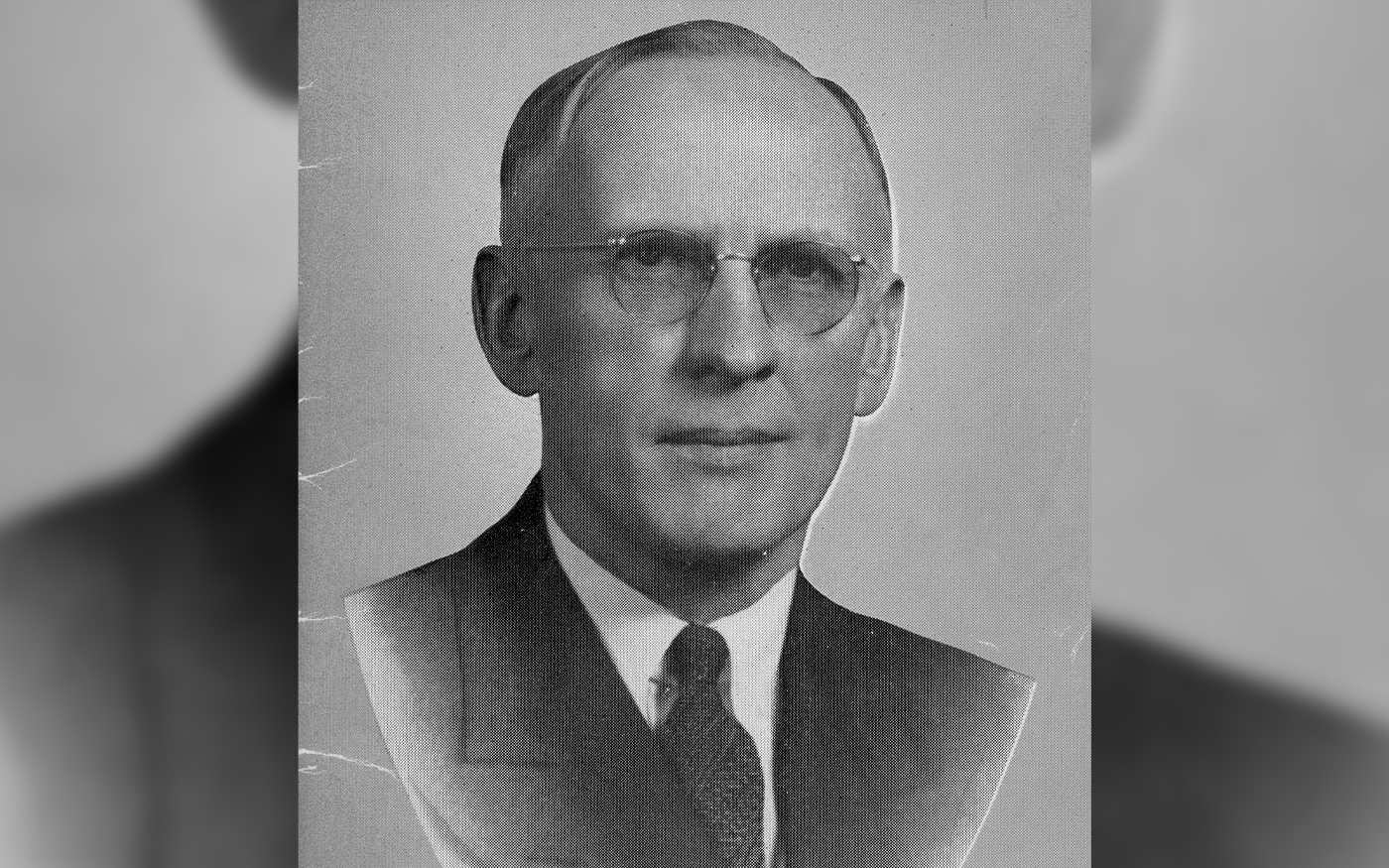
This Week in AG History — June 22, 1946
C.M. Ward’s father converted to Christianity — through his own preaching.
Frank Macchia Honored with Assemblies of God Lifetime Scholar Award
During the second annual AG Scholars Forum, Frank Macchia was honored for a lifetime of service as a scholar and minister.
