 ASSEMBLIES OF GOD
This Week in AG History — June 14, 1959
Evangel College, the Assemblies of God liberal arts college, resulted from the desire to see AG lay young people — called into business and other professional work — receive a professional and Pentecostal education.
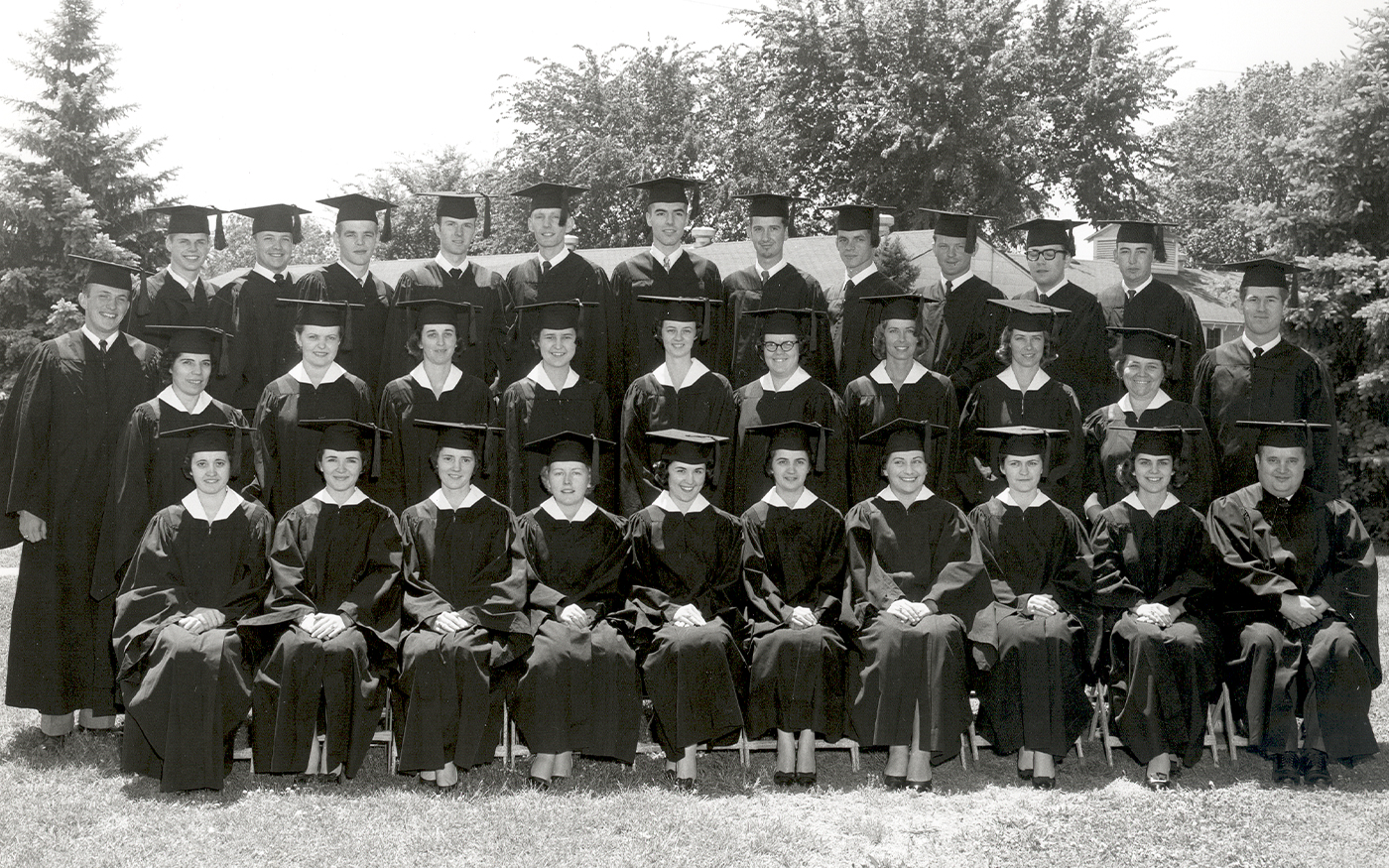
The Assemblies of God had long invested in Bible schools to prepare ministers and missionaries. By the 1940s, however, leaders began asking a new question: What about the thousands of young Pentecostals called not to the pulpit, but to classrooms, businesses, laboratories, and public service?
As Riggs observed, “One out of 10 of our young people was being given Pentecostal training as preachers and missionaries, but what concern were we showing for the great host of lay young people ... called into business and professional work? Are not they too our children?”
The dream of a Pentecostal liberal arts college emerged during the closing years of World War II. With military facilities becoming available and returning veterans seeking higher education, Assemblies of God educators sensed an opportunity. In 1944, representatives of the Fellowship’s Bible schools recommended the creation of a liberal arts college, and the General Presbytery appointed a committee to study the proposal.
Support grew steadily. In a 1945 poll of the Fellowship, 89% favored establishing a liberal arts college. Yet the proposal faced years of debate and uncertainty. Riggs later described the next eight years as “inevitable birth pangs.” Many in the young denomination questioned whether such an institution was necessary or financially feasible.
The breakthrough came at the 1953 General Council in Milwaukee, where delegates overwhelmingly approved the creation of a senior liberal arts college. A board of directors was appointed, and plans quickly moved from vision to reality.
The board selected Klaude Kendrick as the institution’s founding president. An experienced educator and administrator, Kendrick brought both academic expertise and spiritual conviction to the task. Under his leadership, Evangel College opened its doors in Springfield, Missouri, on Sept. 1, 1955.
The campus itself reflected the faith and determination of its founders. The federal government made available the former O’Reilly General Hospital property, a World War II military facility valued at approximately $1 million. Students attended classes and lived in repurposed military buildings while the college established itself.
The inaugural class numbered just over 100 students from 27 states and one overseas location. Enrollment quickly expanded, reaching 471 students by 1959. Those early students took a considerable risk. When they enrolled, Evangel was not yet accredited, and its future remained uncertain. Riggs praised their courage, noting that they had “chosen Evangel before it became a college” and invested “the best four years” of their academic lives in its promise.
For the Assemblies of God, Evangel represented more than academic opportunity. It embodied the conviction that higher education and Pentecostal spirituality could flourish together. Riggs celebrated Evangel’s commitment to providing “a Christian college, more especially a Pentecostal college,” where students could receive professional preparation while remaining rooted in their spiritual heritage.
The first graduating class reflected that vision. Thirty-seven graduates — 22 women and 15 men — received degrees in 1959. Several had already been accepted into graduate programs, while others were poised to enter public education and professional careers. Riggs challenged them to become “strong Christian leaders in your chosen professions and callings,” reminding them that they were setting the pattern for future generations of Evangel graduates.
The years that followed confirmed the wisdom of the founders’ vision. Evangel expanded its academic programs, facilities, and influence while remaining committed to its Pentecostal identity. Thousands of graduates entered ministry, missions, education, healthcare, business, government, and countless other fields.
As Riggs charged the first graduating class in 1959, Evangel students were called to “become strong Christian leaders in your chosen professions and callings. You have the prayers and best wishes of the entire Assemblies of God.”
A new chapter began in 2013 when Evangel consolidated with Central Bible College and the Assemblies of God Theological Seminary. The consolidation united three historic Assemblies of God institutions on one campus, creating a comprehensive university that preserved the strengths of each while broadening opportunities for students.
Today, Evangel University continues the mission envisioned by its founders. What began as a bold dream to educate Pentecostal young people for service beyond the pulpit has become a lasting legacy. The institution stands as a testament to the conviction that Spirit-filled Christians should be equipped to serve — and lead — in every sphere of society.
Read Riggs’ commencement speech in “What This Graduation Means” on page 16 of the June 14, 1959, issue of the Pentecostal Evangel.
Also featured in this issue:
• “The Cold War” by C.M. Ward
• “At the Crossroads of History” by Kenneth D. Barney
• “Regional Conventions Add Zeal to Sunday School”
And many more!
Click here to read this issue now.
Pentecostal Evangel archived editions courtesy of the Flower Pentecostal Heritage Center.

What to Read Next
Northern California-Nevada District Elects New Leader Following Unexpected Loss of Superintendent
In a specially called election, Sam Huddleston, an AG executive presbyter and Northern California-Nevada assistant district superintendent, was voted in as district superintendent.
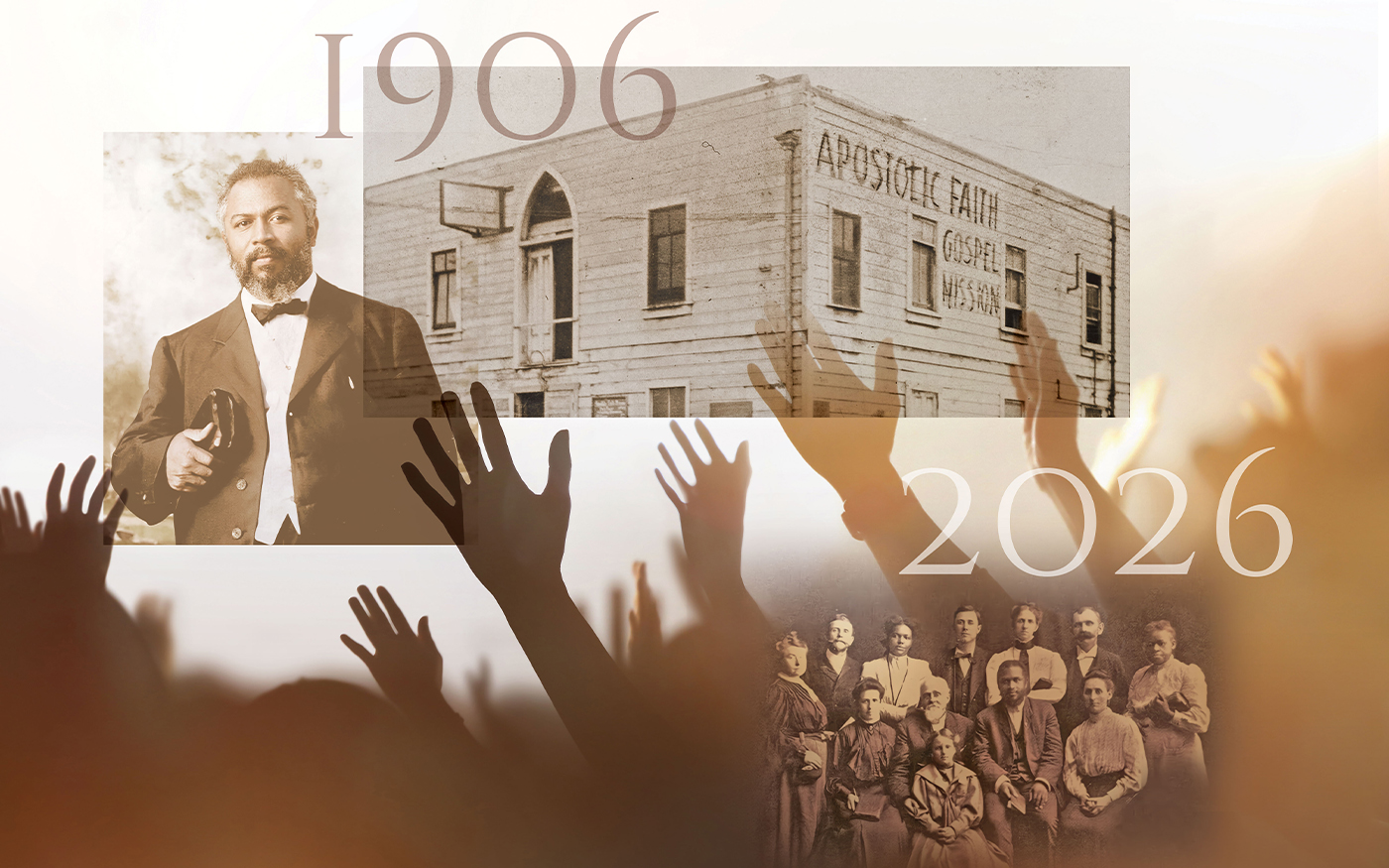
Open Wide the Door — The Azusa Street Revival at 120
Azusa Street reminds us that when ordinary people give the Holy Spirit access, God accomplishes extraordinary things through ordinary means.

This Week in AG History — June 9, 1957
General Superintendent Ernest S. Williams did not accept Christ until he was 19, but he was ordained three years later under the ministry of William J. Seymour, later identifying the experience of being filled with the Holy Spirit as a defining moment in his life.

Outposts of Hope
The Wyoming Ministry Network is renewing focus on its founding vision for churches across the state.
