 ASSEMBLIES OF GOD
Supreme Court Pushes Back on Government Control of Counseling Conversations

Who controls what can be said in a counseling session?
That question was at the center of a recent U.S. Supreme Court case, and the answer has significant implications for counselors, families, and people of faith.
In an 8–1 decision in Chiles v. Salazar, justices ruled that a Colorado law that restricts what licensed counselors can say to young clients about issues related to sexuality and gender identity was unconstitutional. The Court delivered a clear message: The First Amendment does not allow the government to control which viewpoints may be expressed in these conversations.
For Christians, that message carries particular weight. Conversations about identity, truth, and how we live are deeply connected to faith and discipleship, rooted in the belief that God created each person with purpose according to His design.
That is what brought Kaley Chiles to the center of this case: that kids who seek this kind of counseling should not be blocked from receiving it.
A COUNSELOR SERVING WITH CONVICTION
Chiles is a licensed counselor in Colorado who talks with clients about various issues, including gender identity and sexual orientation. She sees her work as an outpouring of her Christian faith, and numerous clients come to her because they share her religious beliefs.
These are trust-based relationships where individuals seek counsel consistent with their convictions. Clients are not coerced into a particular approach. They deserve a counselor who will take their beliefs seriously and help them pursue the goals they set for their own lives.
A LAW THAT PICKED SIDES
But Colorado’s law does not leave those conversations up to Chiles and her clients. In 2019, the state banned voluntary counseling conversations to help clients under the age of 18 embrace their God-given sex. Any counselor who speaks with clients to help them achieve these forbidden goals would face steep penalties: up to $5,000 for each violation, possible suspension from practice, and even revocation of the counselor’s license. However, the law permits counselors to encourage those kids to reject their biological sex.
THE COURT REJECTS THE IDEA OF “STATE-APPROVED” SPEECH
Chiles challenged the law before the Supreme Court with the support of Alliance Defending Freedom attorneys, arguing that counseling conversations are speech and the First Amendment applies fully in that setting. Colorado maintained that it was regulating professional conduct, but the Supreme Court disagreed. As applied to Chiles, the law unconstitutionally suppressed her speech.
In the opinion, the Court emphasized that “the spoken word is perhaps the quintessential form of protected speech” and rejected the idea that speech loses protection simply because it occurs within a licensed profession.
“The First Amendment is no word game,” the Court wrote. “. . . [T]he rights it protects cannot be renamed away. . .” When a law restricts speech based on viewpoint, the concern is at its highest. Such restrictions, the Court noted, represent “an egregious form of content discrimination.”
WHY THIS MATTERS BEYOND ONE CASE
This decision sets an important precedent that will guide how courts evaluate similar laws nationwide.
The Supreme Court reversed the lower court’s decision and remanded the case for further proceedings consistent with its opinion. That means Colorado must now attempt to justify its law under a much more demanding level of review, one that laws restricting speech rarely survive.
More than 20 states and over 100 localities have enacted comparable restrictions on counseling conversations. This case will help combat other unconstitutional restrictions on speech and help ensure the truth can be freely proclaimed.
A LINE THE GOVERNMENT CANNOT CROSS
For believers, this decision carries clear implications. Christians, including those in licensed professions, now have greater assurance of their freedom to speak in accordance with their beliefs about God’s design and are not limited to state-approved viewpoints. It also gives hope to individuals and families that they will be free to seek counsel that aligns with those beliefs, including young people who simply want help regaining comfort with their sex.
As ADF Chief Legal Counsel Jim Campbell, who argued the case, said, “Kids deserve real help affirming that their bodies are not a mistake and that they are wonderfully made. The U.S. Supreme Court’s decision today is a significant win for free speech, common sense, and families desperate to help their children.”
This ruling draws a clear line that the government cannot cross. It cannot insert itself into counseling conversations and decide which beliefs may be spoken and which must be silenced. It cannot favor one set of views while punishing another. And it cannot redefine protected speech simply because it occurs within a licensed profession. The First Amendment still means what it says, and it does not stop at the counseling room door.
Written by Kyle McCutcheon with contributions by Paige Morris.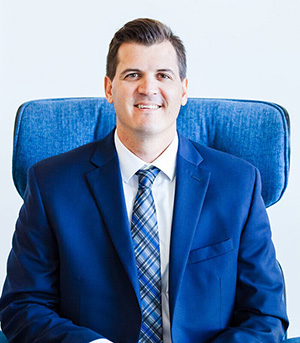
What to Read Next
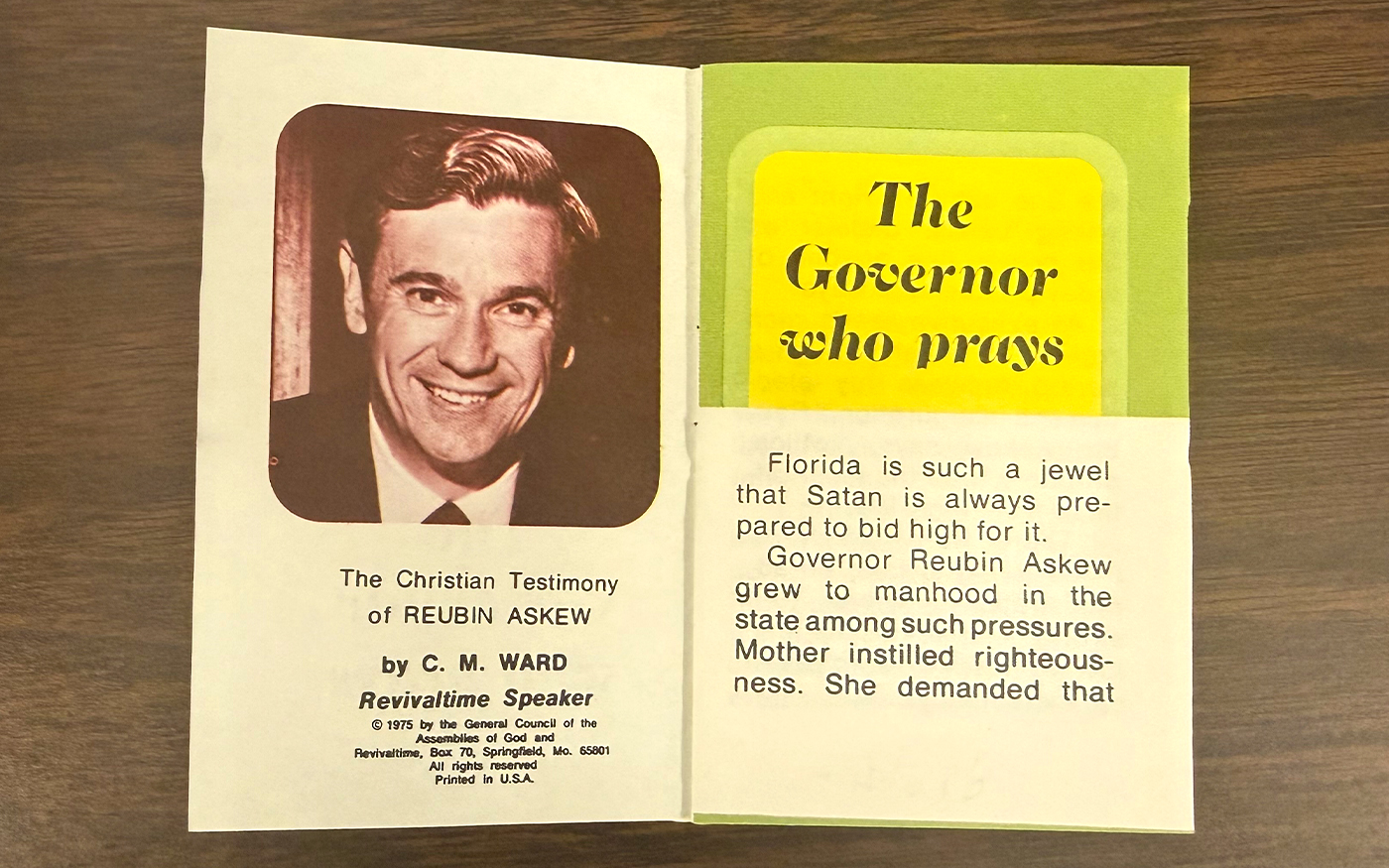
This Week in AG History — July 13, 1975
C.M. Ward interviewed many famous individuals for the Revivaltime radio program, including a governor known for his integrity and faith, Reubin Askew
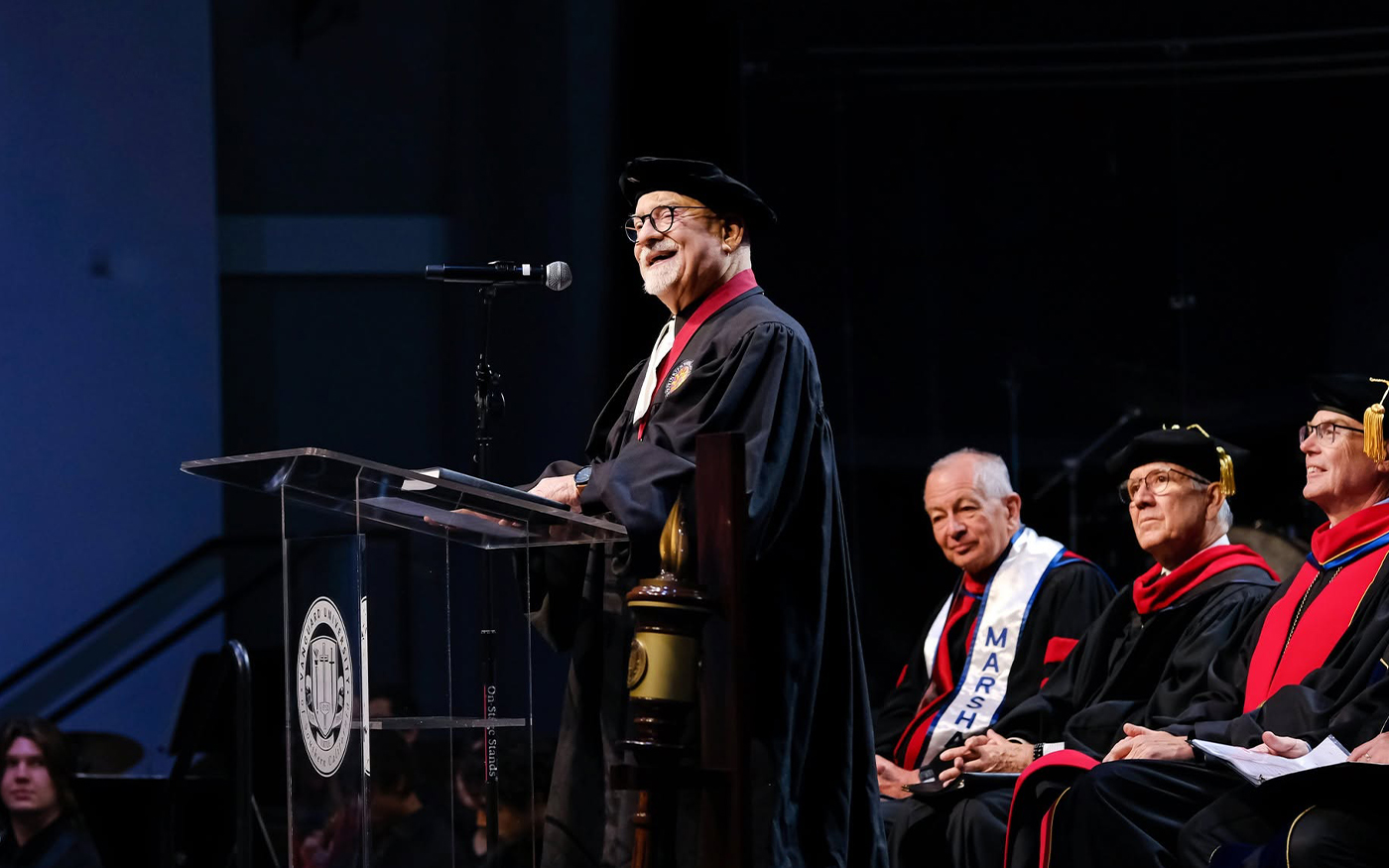
Frank Macchia Honored with Assemblies of God Lifetime Scholar Award
During the second annual AG Scholars Forum, Frank Macchia was honored for a lifetime of service as a scholar and minister.

Common Questions About Gender Identity and Sexuality
Three ministry leaders discuss how Christians can respond to challenging cultural issues with biblical truth and compassion.

Family Matters — Ignite Parenting Resources Bring Discipleship Home
Ignite Parenting provides resources for family discipleship, including those families with little to no Bible background.
