 ASSEMBLIES OF GOD
This Week in AG History — June 30 1928
As an early missionary to China, Marie Stephany dedicated her life to establishing an orphanage, ministering to people with addictions, starting a Bible school, and founding churches. Her love for the Chinese people earned her the affectionate name of “Mother Peace.”
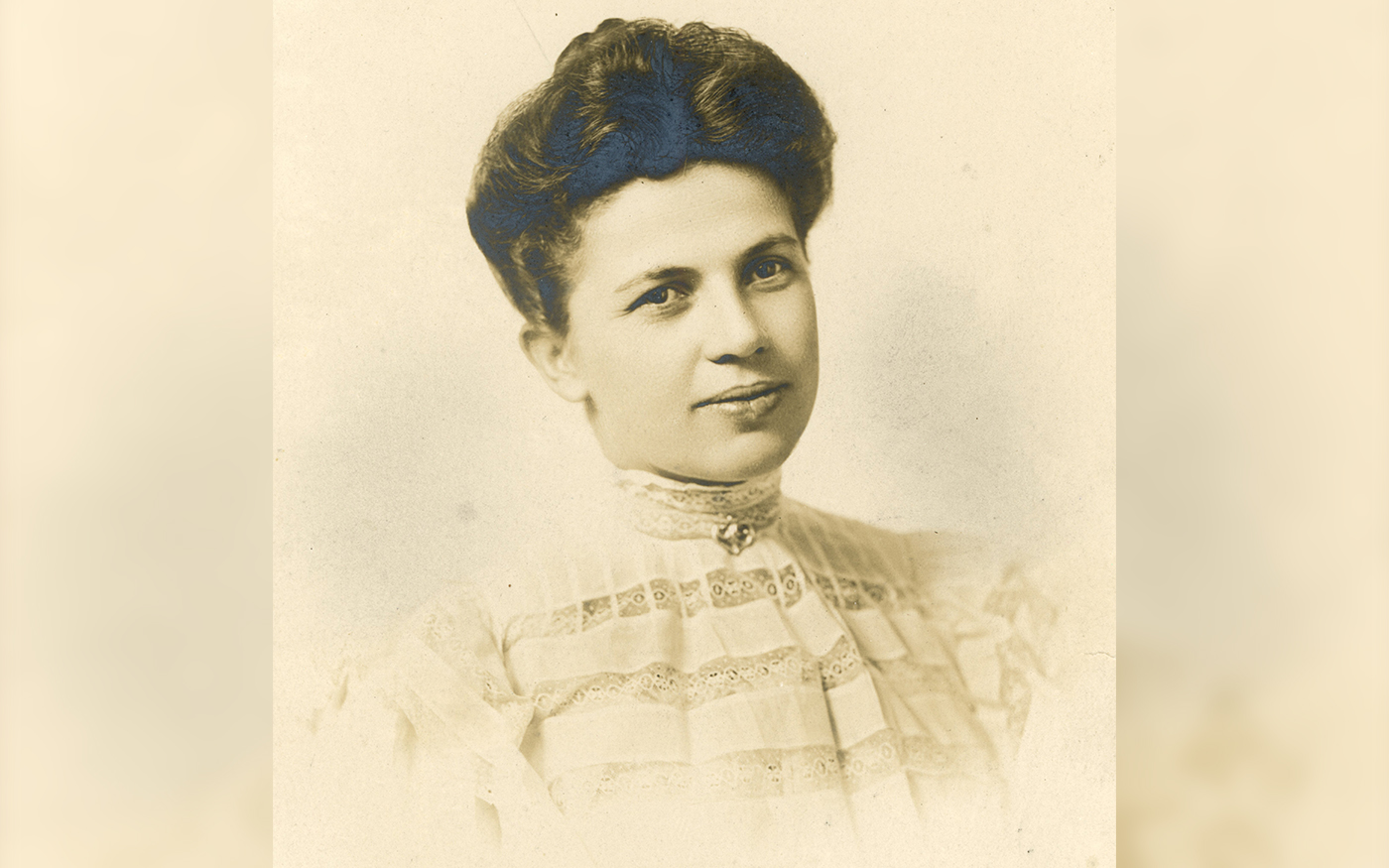
Marie yearned to to find God. One day, as she was cleaning floors in her employer’s house, she cried out: “If there is a God I want to know Him. I want my heart clean like this floor.” God heard her prayer and gloriously saved her, filling her heart with joy and assurance.
Later she joined the Christian and Missionary Alliance. After hearing R. A. Torrey say that every believer should wait on God for the baptism of the Holy Spirit, Stephany began to seek for this experience. In 1906, she heard reports of the Azusa Street revival in California and cried out, “That is what I want.” As she continued to seek, she sensed God telling her that if she believed, He would send the Comforter to her. She also felt God asking her if she would be willing to go and witness for Him anywhere. After a period of fasting and prayer, she received the infilling of the Holy Spirit and dedicated her life to the full gospel ministry. She felt a burden to evangelize in China.
At first she struggled with this missionary calling because she was uneducated. In the fall of 1914, Marie began studies at Beulah Heights Bible School in North Bergen, New Jersey. At 35 years of age, with only scanty formal education in another language, Marie had difficulty with her schoolwork and was often discouraged. But during her second year at Beulah Heights, God reaffirmed her call. On Thanksgiving Day, she declared, “Next Thanksgiving I will be in China.”
In faith she continued walking into her calling, and upon graduating from Bethel, she was ordained as a missionary and evangelist by the Central District of the Assemblies of God on May 28, 1916 and soon was approved for missionary service. Typically, a crowd of people would see missionaries off when they left. Due to a misunderstanding as to which station she was departing from, no one was there when she left. Alone, with her two trunks, “a great loneliness swept over me, but the Lord reminded me that I had said I was willing to follow Him to the ends of the world even if I had to follow Him alone.” She arrived in North China on Thanksgiving Day of 1916.
Marie went to two years of language school at Tai Yuan-Fu, the capital of Shansi Provice. By 1919 she had learned the Chinese language sufficiently to move into the interior to begin her active ministry. She established chapels in Huei Ren and Ta Ch’ang and held meetings in many other villages.
Stephany had a conviction that evangelism should take priority over works of compassion. However, she found herself overwhelmed with human need. During one of the famines in the early 1920s, Marie started an orphanage for abandoned babies. Her family of orphans quickly grew to thirty children. In addition, she set up a home to minister to opium addicts. While this is not what she initially expected missionary ministry to entail, she saw a need and filled it.
After taking a furlough, early in 1926, God provided a team of workers to assist. Henrietta Tieleman and Alice Stewart joined Stephany in Shansi. Administering an orphanage, conducting evangelistic meetings, running a Bible school, and ministering to drug addicts would be difficult enough during peaceful times. These women did so during one of the more turbulent times of China’s history.
Stephany and her team worked in North China for twenty-six years, developing a type of ministry that one might consider a forerunner of Teen Challenge. Many of the orphans they raised became evangelists and pastors. At one point, thirty of the forty national workers who assisted Stephany were former addicts who had been delivered and discipled through her ministry.
Although she was never very strong physically, Marie often took Peter, one of her converts and his wife, with her and walked from village to village, preaching Christ. Soon she was holding a meeting in a different village each night of the week. Several of the meetings were held in tents when they learned that the Chinese did not wish to enter a mission chapel. This eventually led to her pioneering churches, and the one in Ta Ch’ang grew to over 1,000 worshipers.
In the 1930s, it was common to see the evacuation of foreign workers due to the fear of the communist regime; hundreds of missionaries had to return home for their safety. They always hoped to be able to return. While Marie was on furlough in 1936 to 1939, she prayed that the war between Japan and China would end so that she could return to minister again. She was quoted as saying, “But the war would never hinder me if I could get a passport. My heart is in the Lord’s vineyard, and I would gladly give my life for these precious souls in China if I might win them for Jesus.”
Marie wrote a book called The Dragon Defeated, which detailed a real life story of divine deliverances. Her desire in writing this book was to give all the glory to God for renewed intercession and for China’s suffering millions. She also wrote another book called The Power of the Gospel in Shansi Province.
When Marie passed away in 1962, at her funeral it was said, “She was a woman of exceptional courage and dogged determination.” Yet because of her love for the orphans, addicts, and others, the Chinese believers, who knew Marie Stephany best, called her “Mother Peace.” She founded an orphanage, ministered to drug addicts, started a Bible school, held evangelistic meetings, and founded churches. Her legacy lives on.
Read Marie Stephany’s article, “How the Gospel Reached Ta Chang,” on page 10 of the June 30, 1928 issue of the Pentecostal Evangel.
Also featured in this issue:
• “The Necessity of Faith,” by Mrs. C. Nuzum
• “How to Receive the Baptism of the Holy Spirit,” by Donald Gee
And many more!
Click here to read this issue now.
Pentecostal Evangel archived editions courtesy of the Flower Pentecostal Heritage Center.
What to Read Next
Where It All Began
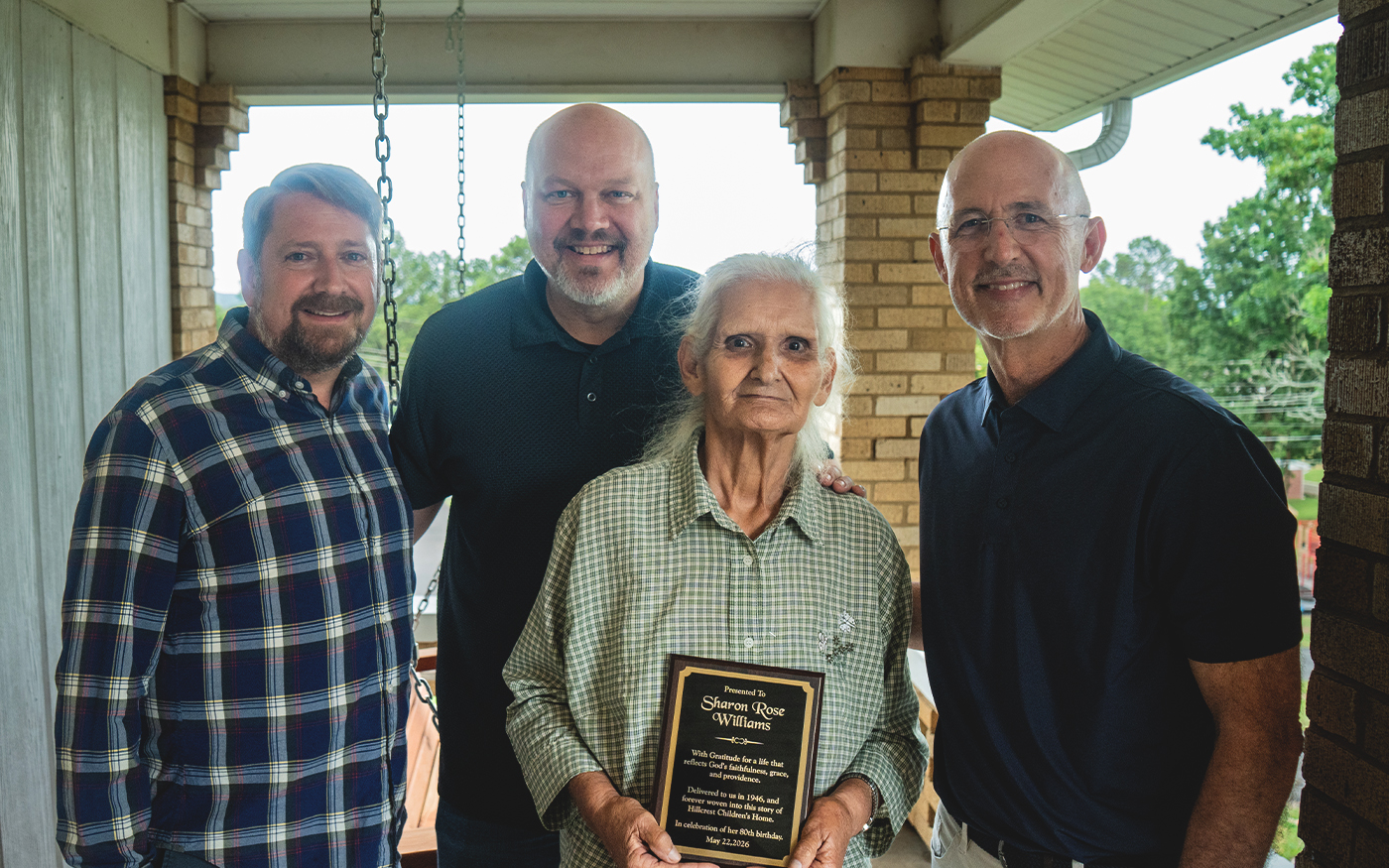
The recently restored Hinson House, birthplace of the Assemblies of God's child welfare ministry, now serves as a prayer retreat calling pastors and churches to care for vulnerable children and foster families on the campus of COMPACT Family Services.
Women Who Shaped the Fellowship
Celebrating the significant contribution of women ministers in the Assemblies of God.
This Week in AG History — June 22, 1946
C.M. Ward’s father converted to Christianity — through his own preaching.
