 ASSEMBLIES OF GOD
The Person of the Holy Spirit

One of my most vivid childhood memories is of Ms. Addie Wright’s Sunday School class. She would regularly teach on the Holy Spirit and had an anointed gift for helping children understand the Person and the work of the Holy Spirit. In her class a foundation was laid for my relationship with the Third Person of the Godhead.
One of the inspiring truths I learned from Ms. Wright is that the Holy Spirit is not a “ghost” to be feared or a “force” to be harnessed for your benefit, but is rather an important Person of the Trinity to be worshipped. It’s true that the Holy Spirit is powerful, but He is also a Person. In Scripture, we see the use of personal pronouns to describe Him, such as when Jesus spoke of the works of the Holy Spirit in John 16 and referred to Him 12 times as “He.”
In John 14:16, we see that this “He” has a name: “And I will pray the Father, and he shall give you another comforter, that he may abide with you forever” (KJV).
In the language of Jesus’ day, there were two words for “another.” One word referred to “another” as a different kind of thing, comparing two unlike entities. The second word used to describe another, meant something of the same kind. When Jesus spoke of the Holy Spirit as another Comforter, He meant that He was going to send something like Him, not something different.
We also know from Scripture that the Holy Spirit has intellect (1 Corinthians 2:11). He has feelings (Ephesians 4:30). He has a will (1 Corinthians 2:11), and He has a voice (Acts 13:2).
I am so thankful I learned at an early age that the Holy Spirit was so much more than an “it,” a ghost, or a force, and how my relationship with Him is vital for Christian growth and vitality.
Another thing I learned from Ms. Wright’s class is that the Holy Spirit is not merely a person, but a divine Person. He is fully God, the same way that the Father and Son are God, and He shares all the same attributes of the Father and the Son (omnipotence, omniscience, omnipresence).
The Holy Spirit, being God, is also active in the things God does.
He is active in creation: “Now the earth was formless and empty, darkness was over the surface of the deep, and the Spirit of God was hovering over the waters” (Genesis 1:2).
He is active in salvation: “Jesus answered, ‘Very truly I tell you, no one can enter the kingdom of God unless they are born of water and the Spirit. Flesh gives birth to flesh, but the Spirit gives birth to spirit. You should not be surprised at my saying, ‘You must be born again’” (John 3:5-7).
He is active in judgment: “When he comes, he will prove the world to be in the wrong about sin and righteousness and judgment” (John 16:8).
He is active in resurrection: “And if the Spirit of him who raised Jesus from the dead is living in you, he who raised Christ from the dead will also give life to your mortal bodies because of his Spirit who lives in you” (Romans 8:11).
He is active in Spirit baptism: “For John baptized with water, but in a few days you will be baptized with the Holy Spirit… All of them were filled with the Holy Spirit and began to speak in other tongues as the Spirit enabled them” (Acts 1:5; 2:4).
Without the Holy Spirit’s activity, we are alienated from God. The redemptive work that Jesus accomplished on the Cross is applied to us through the Holy Spirit. If the Holy Spirit does not dwell in us, we cannot be transformed into the image of Jesus. Thankfully, God has welcomed us into His presence by giving us the Spirit.
In that way, Ms. Wright’s most valuable lesson on the Holy Spirit was that it is not enough simply to describe the Holy Spirit — He has to be experienced. The Holy Spirit will never fully be known by simply reading about Him, but as you allow Him to dwell in and have complete access to your life, you will begin to understand what it means to live a Spirit-empowered life.
As students in Ms. Wright’s class, we were often encouraged to pray out loud and to speak in a heavenly language as it was given to us. I learned early on that when the Holy Spirit comes upon you, He reaches every single dimension of your being.
Former Assemblies of God General Superintendent George O. Wood related the surging river of water that Jesus spoke of in John 7:38 to the character of Jesus that should flow from believers. John then offers explanation of Jesus' statement: “By this he meant the Spirit, whom those who believed in him were later to receive. Up to that time the Spirit had not been given, since Jesus had not yet been glorified” (John 7:39).
John said the experience of the Spirit did not begin until Jesus was glorified (risen and ascended into heaven). The Spirit was not yet considered given, even though the disciples had received the conversion work of the Lord when He breathed on them (John 20:22). They received the Spirit, but not in the way Jesus had referred to at the Last Supper (John 14:15-17).
Jesus was referring to the Day of Pentecost, an outpouring of the Holy Spirit on 120 of the disciples who experienced His filling in every part of their beings. Out of their inner being flowed a river of the Spirit, which reached out in three directions: a river of praise, which flowed upward to God in worship; a river of evangelism, which flowed outward to others in evangelism; and a river of edification, which flowed inward to continue their transformation into the likeness of Christ and embolden them in their witness. When you look at the work of the Spirit in your life, He is always working in those directions — up, out, and in.
Speaking in tongues is part of this flowing of the Spirit. When we cry out to the Lord in a heavenly language, it reaches upward in worship, outward in witness, and inward in spiritual development and maturation.
Addie Wright, that precious Sunday School teacher, understood the importance of experiencing the infilling of the Holy Spirit and those experiences helped me to understand what it means to be full of the Spirit. In the same way, I invite you to welcome the Holy Spirit into your life in all His fullness. Let Him be your Comforter who leads you into a Spirit-filled life.
This article appears in the 2025 issue of Pentecostals magazine.
What to Read Next

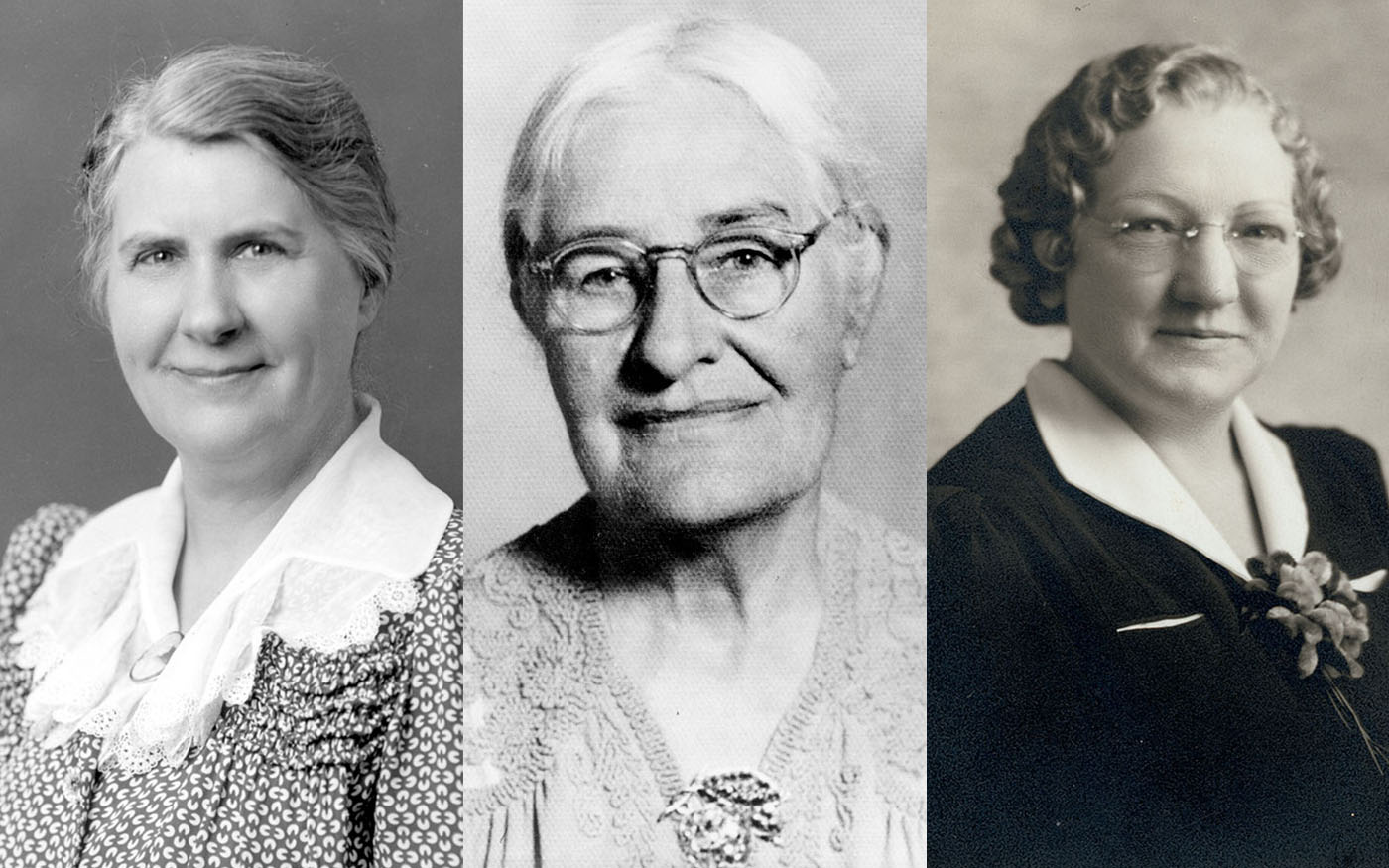
Women Who Shaped the Fellowship
Celebrating the significant contribution of women ministers in the Assemblies of God.
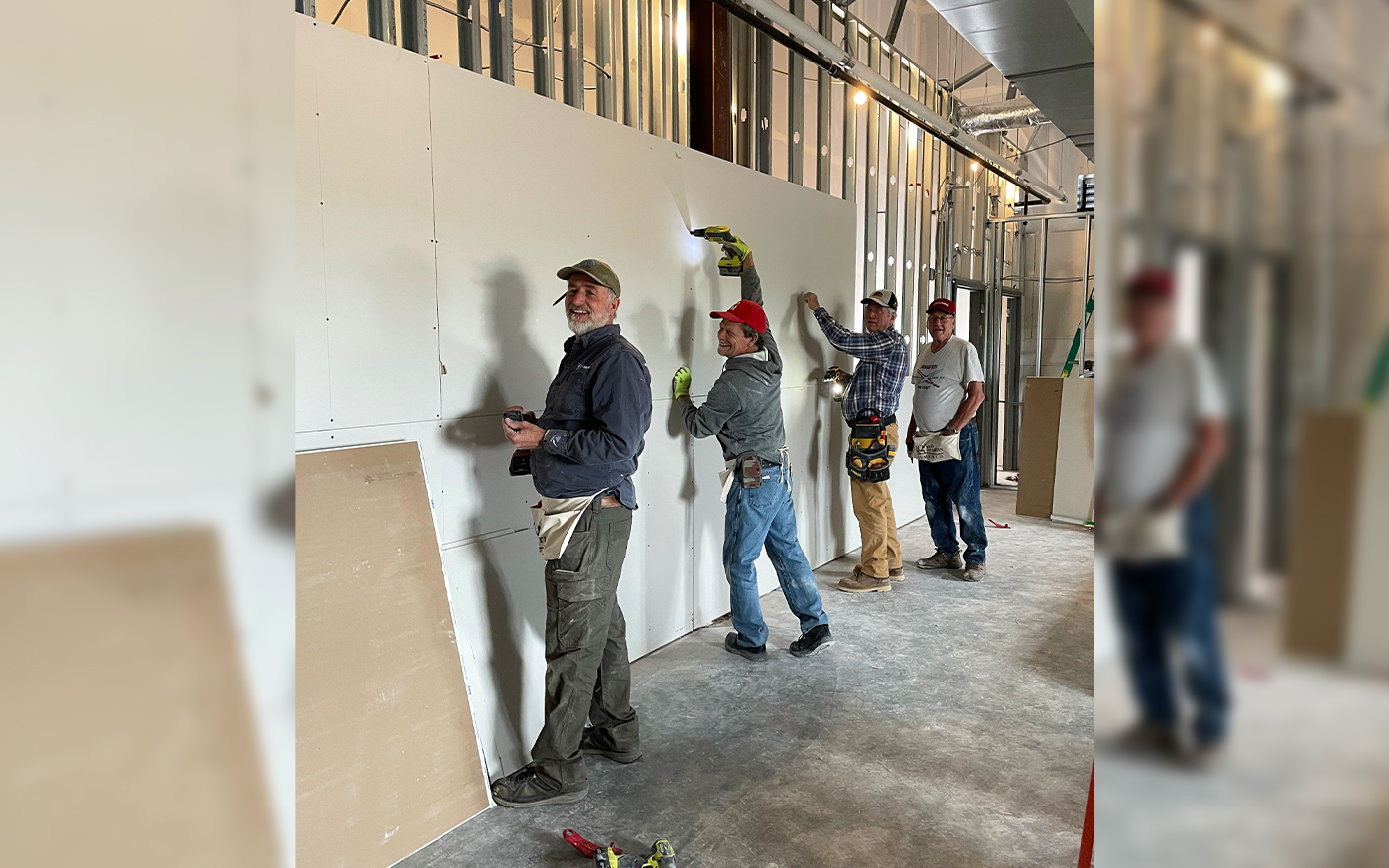
Church Mobilization Continues Helping Assemblies of God Churches Build for the Harvest
AG U.S. Missions Church Mobilization is making a significant impact on churches across the country.
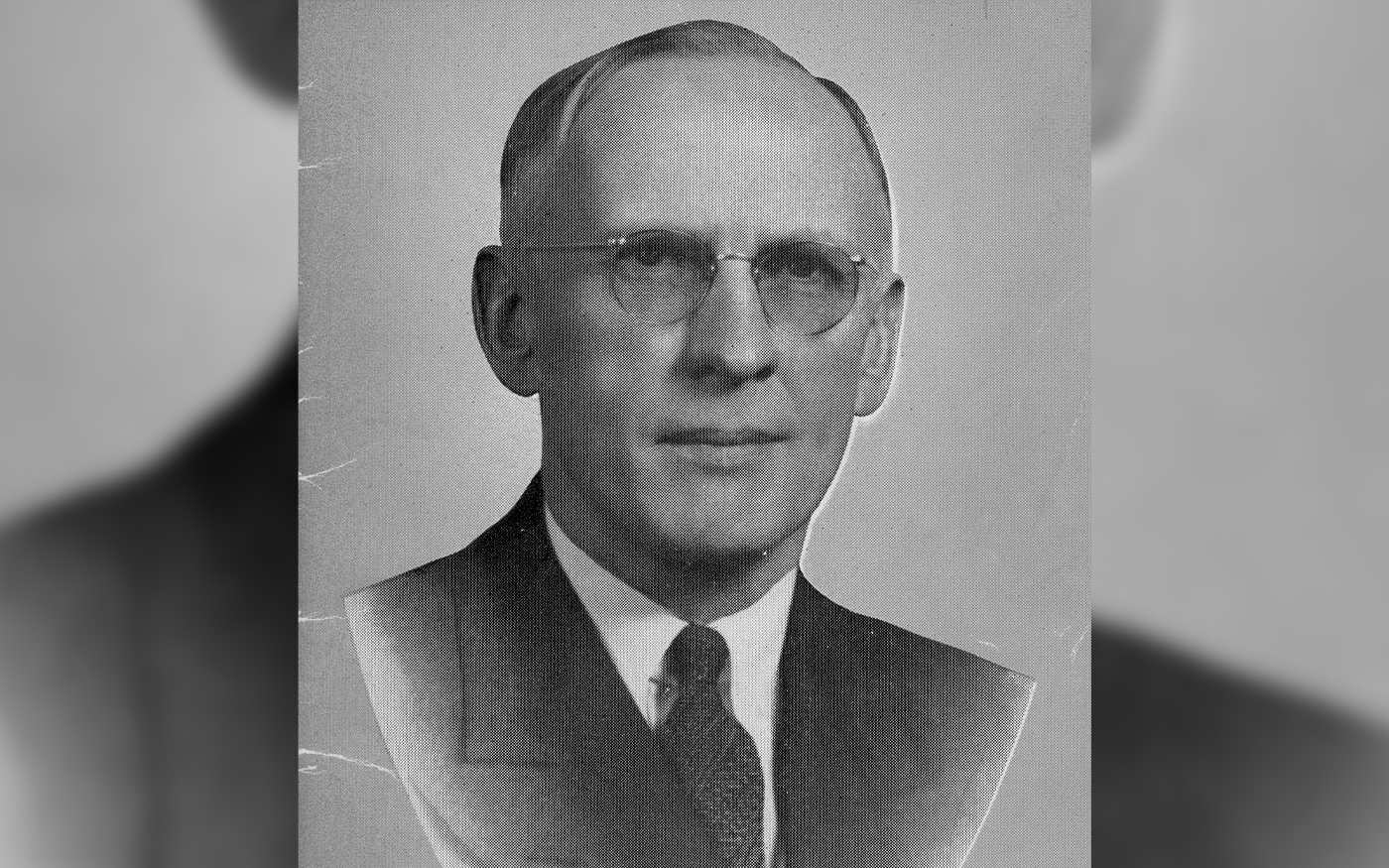
This Week in AG History — June 22, 1946
C.M. Ward’s father converted to Christianity — through his own preaching.
