ASSEMBLIES OF GOD
Effective Discipleship

EDITOR’S NOTE: Join General Superintendent Doug Clay and Assistant General Superintendent Rick DuBose at the 2025 General Council Disciple the World Lunch on Aug. 7, in Orlando. This is a unique opportunity to hear the heart of AG leadership and catch the vision for the future of discipleship. More info and registration available at GeneralCouncil.org.
A church that tries to make everyone happy just to keep them coming back is like building a house on sand. Sure, it means less digging, less debris removal, and less heavy lifting. The church may go up faster and grow wide faster, but it will lack depth. That’s what happens when leaders focus on the surface, caring more about how a church looks than whether it lasts.
On the other hand, a church with a clear focus on effective discipleship takes longer to build, because it digs deeper. It removes weakening debris along the way. It focuses more on stabilizing depth than showy expansion. That church, the discipleship-first church, is like a house built on the rock.
Both kinds of churches will eventually face a storm. Maybe it’s something the whole church goes through together or something the people in the church go through personally. Maybe it’s both. If the church has a strong foundation of discipleship, built on the bedrock of God’s Word, it will survive. But if the church is built on sand, with no discipleship and no depth, it will collapse.
From the very beginning, the leaders of the Assemblies of God declared that, by the power of the Holy Spirit, our Movement would be committed to “the greatest evangelism that the world has ever seen.” In many ways and by many measurements, the Holy Spirit has worked among us toward accomplishing that mission. But now, with over 110 years behind us, we know effective evangelism also means depending on the Holy Spirit to bring about the greatest discipleship that the world has ever seen. Discipleship creates a sustainable church, a multiplying church, a next-gen church. A church even more effective in evangelism. A church that can survive political storms, economic turmoil, internal upheaval, even persecution.
Once we understand the foundational importance of discipleship, the next question is, What are the steps in an effective discipleship process?
1. Developing relationships. Discipleship requires the one being discipled to have a growing relationship with a person or group of people who are already living the Christian life. It’s a “follow me as I follow Christ” process (1 Corinthians 11:1, MEV). We tend to learn more by imitation than investigation. We naturally take on the methods, expressions, and values of those we spend time with. The adage, “Show me your friends and I will show you your future,” is often true. For a church to disciple the next generation of believers, the current generations must get it right, and they must make room for new followers to join them on their journey.
2. Learning and growing. Discipleship involves “the renewing of your mind” (Romans 12:2, NIV). It requires learning, studying, reading, listening, and discussing the Bible with others. This step in the discipleship process is more than imitation. It’s transformation. It means becoming a person who understands God’s Word and keeps believing, even if no one else does.
3. Gaining hands-on experience. As disciples grow in following Christ, they need practice living out what they’re learning. This means seeking out the mentorship of more experienced believers. It requires those being discipled to live their Christian life in front of a spiritual parent who can correct and encourage them. If the newer believer starts to lose faith and sink (like Peter in Matthew 14:26–31), the mentor is there to offer hope and restoration.
4. Discipling others. Disciples should eventually become spiritual parents for other believers. Taking on the role of educator and mentor causes a disciple to dig deeper, remove more debris, and learn more truth than in any other phase of discipleship. We can’t reach our potential without taking on the responsibility of leading someone else. With this step, the relational process of discipleship comes full circle.
Relational discipleship is the cornerstone of Bible Engagement Project (BEP). Through BEP, small groups, families, and churches can participate in the discipleship process together, moving from listeners to learners who live out God’s Word and lead others. It’s worth the investment of time and hard work to build a strong foundation of discipleship in your church. Only then can our Fellowship fulfill our commitment to the greatest evangelism—and discipleship—that the world has ever seen.

What to Read Next
This Week in AG History — June 30 1928
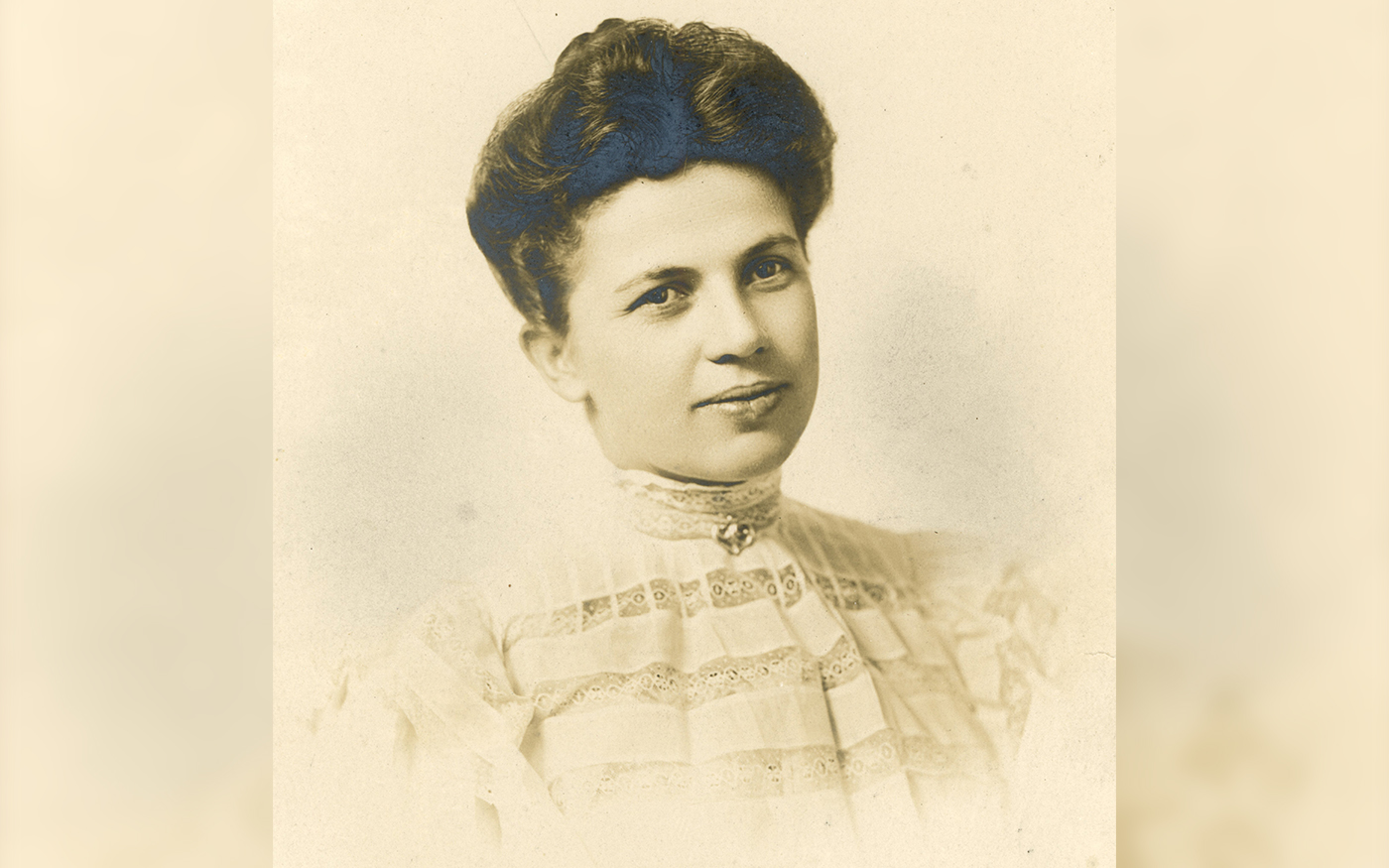
As an early missionary to China, Marie Stephany dedicated her life to establishing an orphanage, ministering to people with addictions, starting a Bible school, and founding churches. Her love for the Chinese people earned her the affectionate name of “Mother Peace.”

Faith Practices Finding New Life
Emerging trends show Americans – especially younger believers – reengaging with traditional Christian practices.
No Greater Love — Giving the Gift of Life
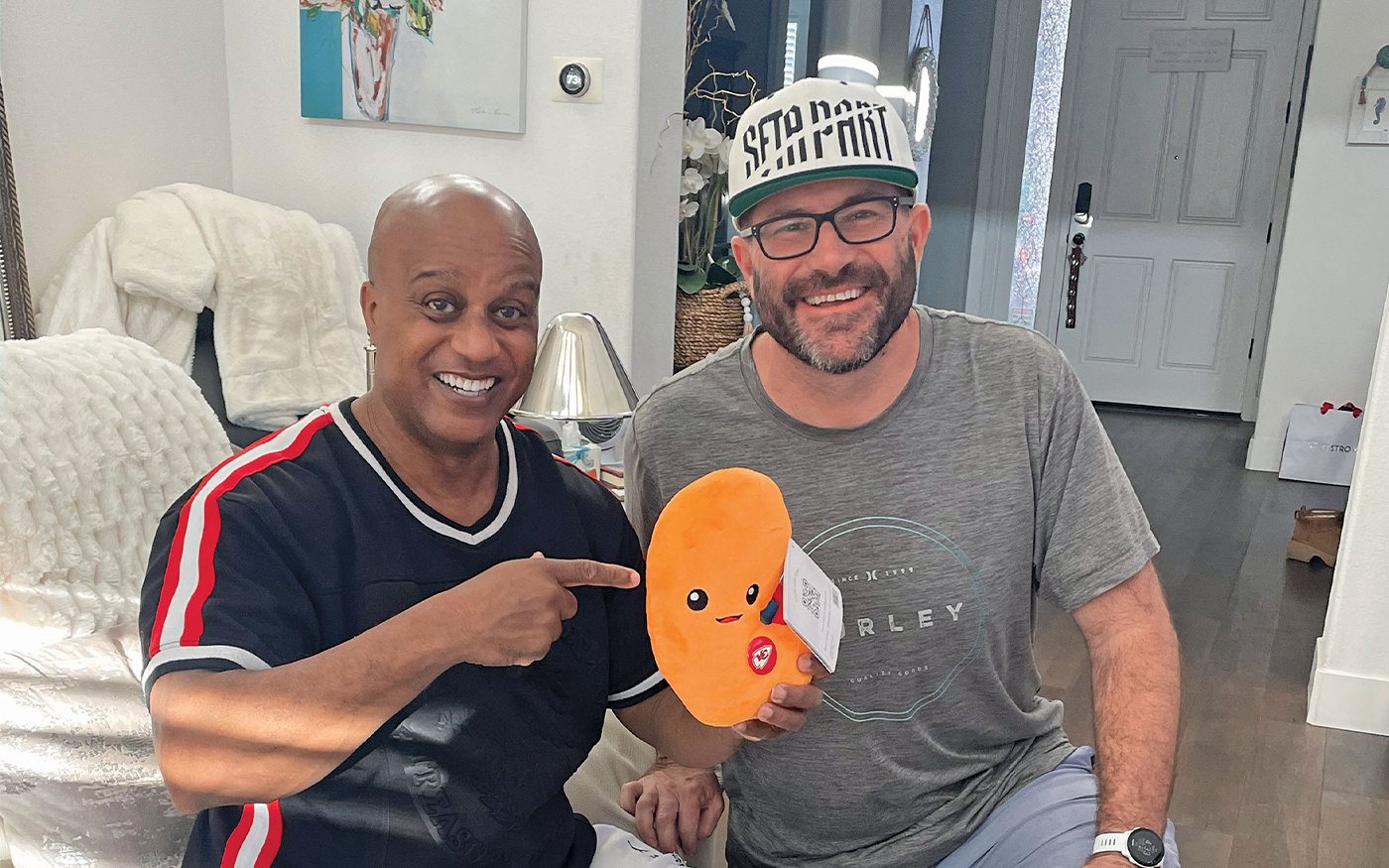
When a congregant needed a kidney, pastor Ross Morrill stepped up to help.