 ASSEMBLIES OF GOD
The Potential of AI for the Church

Editor's note: This article is the first in a two-part series exploring the opportunities and challenges of Artificial Intelligence (AI).
While artificial intelligence is increasingly shaping how people interact with digital technology in everything from laptops to phones, there are unprecedented opportunities for AI to spread God’s Word to those who have never received an adequate explanation of it and to disciple those who have accepted the gospel.
Unlike previous forms of technology, AI has the ability to create content. It includes the capability of computer systems and algorithms to mimic human behaviors by making decisions, answering questions, and solving problems. While the Church must use wisdom and discernment in its use of AI, the technology offers new opportunities to reach the estimated 3 billion people in the world who haven’t heard the good news as Jesus outlined in Matthew 28:19. While the mission hasn’t changed in the past two millennia, suddenly advanced technology is providing new means of evangelism.
“The Great Commission is unfinished still, but maybe with the help of these tools, this generation will be the one to finish it,” says entrepreneur Daniel Hungerford, founder of EverFriends.ai based in Grand Rapids, Michigan. “Faith and technology can be co-laborers in the greatest mission of all time.”
Travel and language barriers historically have restricted the expansion of Christendom, but Hungerford foresees the gospel reaching everywhere within seven years.
Recently, Hungerford and six other experts spoke at a challenging “Empowering Believers in the Digital New World” conference sponsored by Network211 at Assemblies of God Theological Seminary (AGTS) in Springfield, Missouri. Around 80 people — the vast majority of them seasoned missionaries and pastoral leaders in ministry for decades — gathered for the event.
Mark D. Flattery, president of Network211, devised the symposium. Network211 is an interactive online ministry of Assemblies of God World Missions (AGWM) that uses “21st century technology to communicate the first century gospel by helping people discover and grow in their journey with God.”
“AI is not a passing fad,” says Flattery, 64. “People are searching online for answers.”
A SENSE OF URGENCY
In December, Time magazine chose “Architects of AI” as its Person of the Year for 2025, acknowledging the impact of artificial intelligence on virtually all aspects of culture.
With practically all companies enmeshed in the AI world, there is a sense of urgency for Christians, primarily to keep secular resources from solely setting the agenda. In previous generations, Christians proved to be slow to adapt forms of mass communication such as television and motion pictures as venues for evangelism.
“We’ve got to get our tribe into this conversation,” says Flattery, an AG world missionary. “This is an opportunity to say,
“If we don’t show up online, we become invisible,” cautions Hungerford, author of Soulware 2.0: Designing Digital Beings That Heal, Teach, and Connect as well as the newly released So All May Hear: How AI May Be the Key to Fulfilling Jesus’ Final Command. “The Church must use this technology; we can’t lag behind like in the past to see if it works. We need digital evangelism right now; we’re getting behind.”
Hungerford, 51, believes Christians are at a critical juncture in being part of the conversation to shape the future of AI, particularly in what is known as “emotional AI.” That form of technology enables digital beings to remember past interactions as well as to respond to facial expressions and voice inflexions, thereby interpreting human feelings.
But within a couple of years, Hungerford predicts, AGI — artificial general intelligence — will be on the scene. With AGI, computers will be capable of reasoning like humans.
D. Allen Tennison, theological counsel for the Assemblies of God and chairman of the AG Commission on Doctrines and Practices, says Christians shouldn’t reject modern innovations merely because they aren’t accustomed to them. Even so, the most technologically advanced cultures traditionally haven’t necessarily been the most upright, he notes.
“It is a digital new world, but God is still God and people are still people,” says Tennison, 53. “Technology can be used for the glory of God, and when technology is used in God’s way, it can be an act of worship.”
IRREPLACEABLE CHURCH
Visitors to Network211's WhoJesusIs.com website are able to receive an accurate answer from spiritually aligned tools that point them to Christ. A digital witness, whether that be a chat bot, avatar, app, social media post, or audio Bible, can provide correct responses regarding the claims of Jesus as Lord. The website answers the question, “Who Jesus is” in the 10 top languages used on the internet.
Hungerford says “digital humans” mimicking the emotional and relational qualities of humans can speak 100 languages and have 100,000 conversations simultaneously, never having to pause for sleep. While some non-Christians may be too uncomfortable or ashamed to enter a church building, an online chat can explain how much and why Jesus loves them.
“If we use these tools correctly, we will take the gospel everywhere,” Hungerford says. “While digital evangelists are good at pretending they love you, they will point to the One who does love.” Responsibly built digital avatars can precisely answer basic questions about Jesus and reliably point users to the gospel.
“Yet AI is only good at mimicry,” says Hungerford, a member of Grand Rapids First. “It’s not God-breathed. AI doesn’t have life experience. It’s informational, not transformational.”
He says only humans can offer spiritual guidance that leads to baptism, taking Communion, progressing as a disciple of Jesus, and receiving grief and crisis counseling.
Kevin R. Smith, pastor of Northland Cathedral, an AG congregation in Kansas City, Missouri, says even though Christians now are being discipled by screens more than in sanctuaries, church staff and volunteers still must fill a vital role in mentoring.
“Pastors cannot outsource discipleship to the digital world,” says Smith, 51. “We must shepherd people through it.”
Churches already can use free AI tools such as Microsoft Copilot, Google Gemini, and ChatGPT to connect congregants as never before, providing opportunities for spiritual growth and connection heretofore unimaginable. Using automated systems to help get routines done efficiently is an AI forte, particularly in large, growing congregations. If hundreds of people attend a church conference, AI apparatuses can follow up with attendees in a personal way that makes each feel valued.
Although the onset of the COVID-19 epidemic in 2020 revolutionized the way churches use technology to reach people, AI hasn’t been able to replace the sense of community that only a body of believers has in meeting together.
“AI cannot lay hands on and pray,” Hungerford says. “We need humans for that. AI can initiate conversations, but this is not about replacing the pastor or missionary. We are multiplying opportunities for people to find Jesus.”
Already AI is expediting sermon preparation and musical arrangements. AI can save pastors time by helping point them to commentaries or online references for sermon prep and automating administrative tasks.
“Enormous changes are coming,” forecasts Smith, who attended AGTS and worked as an information technology systems analyst at the seminary afterward. “AI will definitely shape the future. Using AI like a research companion can be useful, but putting content together really needs to be the work of the Holy Spirit.”
In that not-too-distant future, he envisions AI assisting in everything from pastoral care and follow-up in the wake of congregants’ hospital surgeries to ordering food from food pantries and delivering it to needy residents.
Dolly Thomas, a licensed clinical psychologist who oversees wellness and counseling for Adult & Teen Challenge of Texas, says AI is being leveraged well in mental health roles in some instances, providing easy access to information.
“But we need to proceed with caution, education, and humility,” says Thomas, 49, an ordained AG minister and member of the AG Mental Health Committee. “AI can’t listen to the Holy Spirit.”
Thomas, who founded the faith-based Transform Counseling, says AI on its own may help individuals find strategies to improve some mental health symptoms, but it always must be filtered through the accountability and guided support offered by trained professionals.
“AI can only complement compassion and care guided by human beings,” Thomas says. “The human connection remains irreplaceable for understanding and treating the complexity of mental health issues.”
Editor's Note: Read the second article in this series, “Limitations of an AI World,” here.
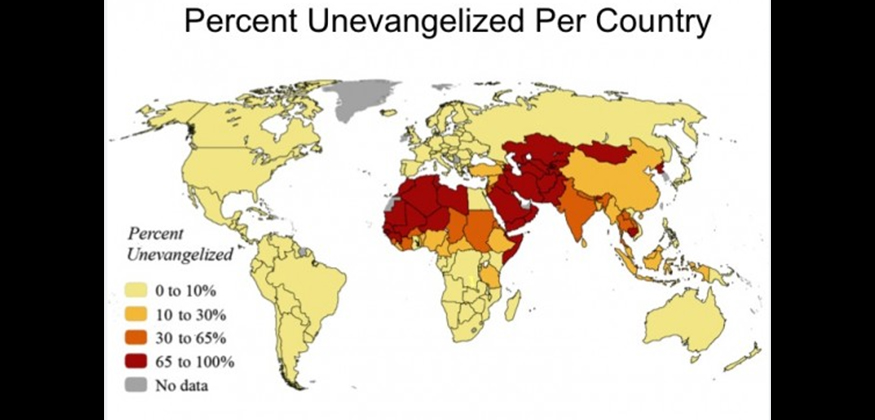
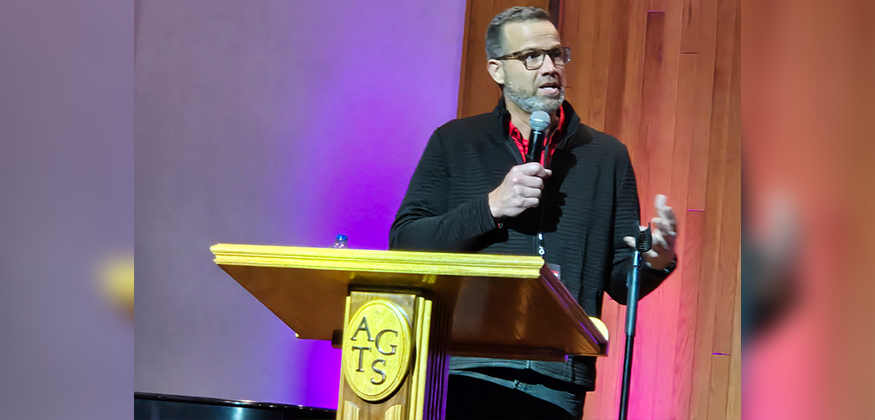
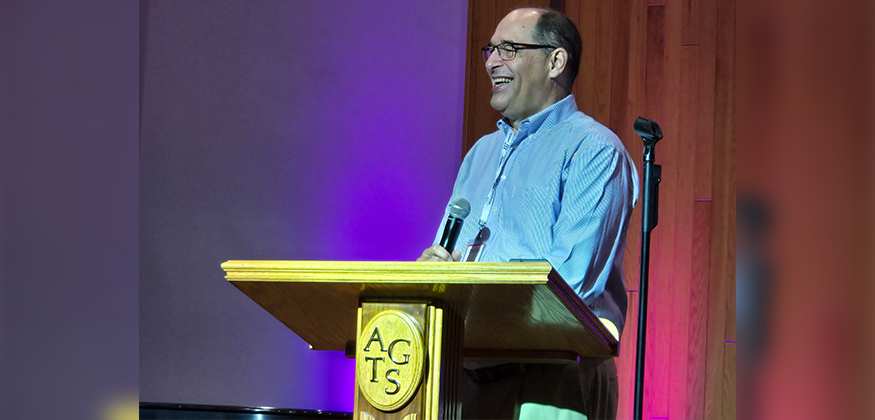
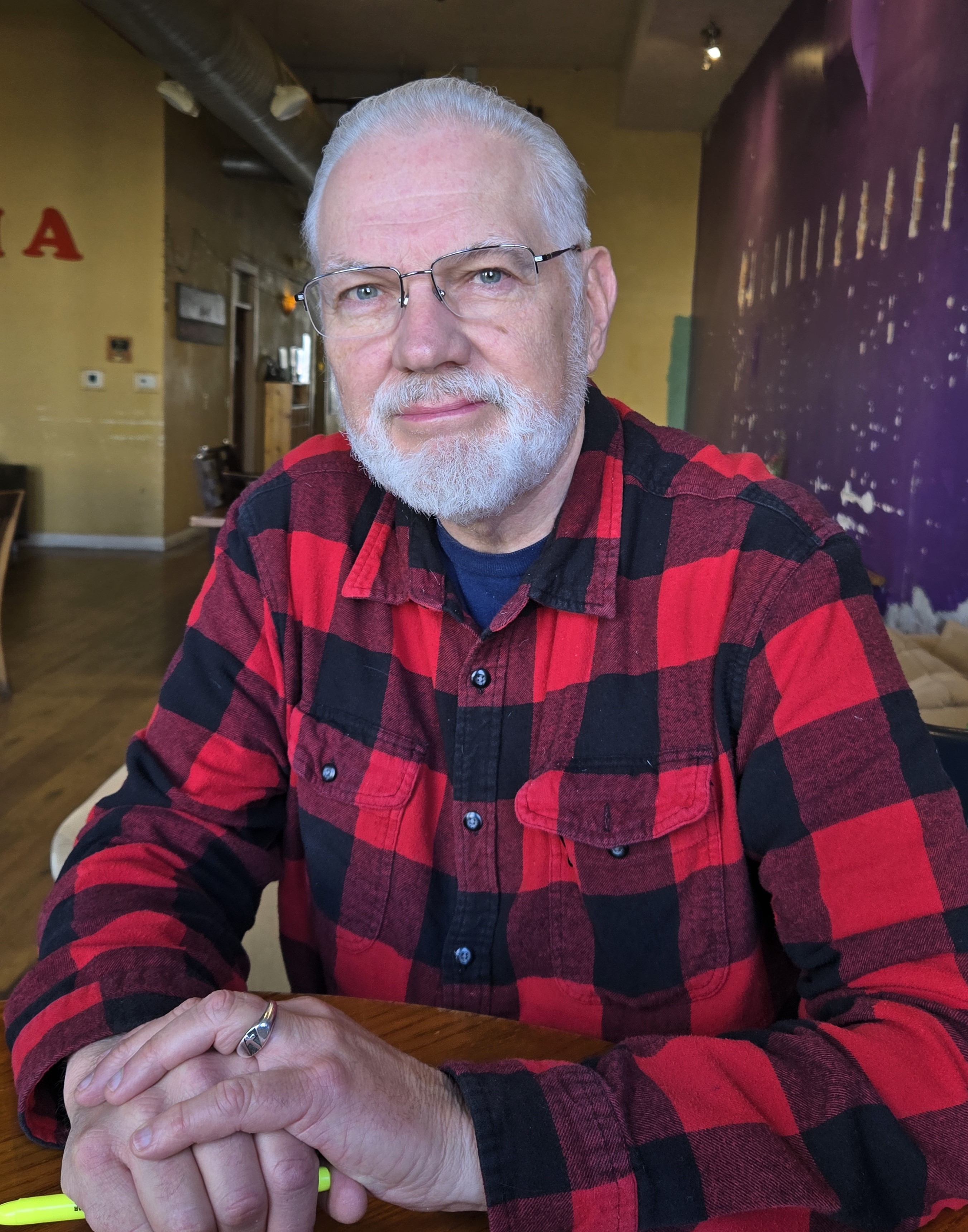
IMAGES: 1. Percent Unevangelicalized; 2. Dan Hungerford; 3. Mark Flattery; 4. Kevin Smith
What to Read Next

This Week in AG History — June 9, 1957
General Superintendent Ernest S. Williams did not accept Christ until he was 19, but he was ordained three years later under the ministry of William J. Seymour, later identifying the experience of being filled with the Holy Spirit as a defining moment in his life.
This Week in AG History — June 3, 1944
What Pentecostals can learn from the founder of Methodism, John Wesley.

This Week in AG History — May 22, 1926
The same year the Assemblies of God was founded (1914), David H. McDowell became an ordained AG minister who went on to serve in many roles, including that of assistant general superintendent.

The Strength of the Church: Why Christ Matters More than Circumstances
The five biblical realities that shape the Church's strength.
