 ASSEMBLIES OF GOD
Membership Matters

*Editor's Note: Sunday, March 1, is Church Membership Day in the Assemblies of God.
AG News asked a panel of AG pastors to discuss the importance and benefits of church membership. Participants were:
Dalton Avery
— pastor of Life360 Church in Republic, Missouri, part of the Springfield-based LIfe360 church network.
Hutson Goza — lead pastor of First Assembly in Bolivar, Missouri, and previously served as a district official in Louisiana.
Jim Bradford — lead pastor of Central Assembly in Springfield, Missouri, and previously served as the general secretary of the Assemblies of God.
Carter McDaniel — executive pastor of Central Assembly in Springfield, Missouri, serving alongside Bradford in providing oversight and leadership to the church, including administering the practicalities of membership.
AG News: What does church membership look like in the Assemblies of God? Is there a standard application form?
Jim Bradford: The General Council of the Assemblies of God requires that churches who affiliate with the Fellowship have a body of voting members and adopt bylaws, specific to their church but in keeping with the AG Fundamental Truths. Details of membership applications vary, as do individual church procedures.
Dalton Avery: AG churches have flexibility in the actual form; we follow Life360 network guidelines. Members agree to the Fundamental Truths, including key tenets such as water baptism and Holy Spirit baptism, and commit to evangelism in their circle of influence. Our form also asks about previous memberships and potential ministry areas where they might like to serve.
Hutson Goza: For our voting membership, we created our application that deals with conversion, water baptism, basic doctrine, and an agreement to support the church through prayer, service, and financially.
AG News: How does church membership differ from simply attending regularly and agreeing with basic doctrine?
Bradford: I don’t think I remember a time when there has been more interest in membership. As people attend, they are introduced to some basics as part of the regular teaching, so by the time they take our membership class, many are ready to formalize their commitment to what we teach and practice. At Central, members elect the board and pastor, ratify the church budget and specific expenditures above a designated threshold, and have the right to view the church’s legal documents.
Carter McDaniel: For churches with bylaws that define a governing role for the congregation, a membership process becomes an important part of clarifying who makes up that governing body. Those who take the step to formalize their membership move from being a participant in the activities of the church to being a literal, legal part of the organization of the church. In this way, membership helps promote a sense of ownership which can deepen the feeling of belonging. We also find that people appreciate the clarity around accountability that a formal membership process provides.
Avery: More than just signing a card, membership is relational: a sense of belonging, covenant, and accountability with people you see weekly. As part of a multisite church, formal membership gives us a basis for building a team of leaders. During a church plant, or a restart like we did, people are likely thinking more about the vision for the community than the actual institution, but membership identifies you with the church or denomination.
Goza: We strive for a sense of belonging, wherever a person is in their journey of committing to membership. As we cast vision and create opportunities for community, a membership commitment can solidify that feeling of belonging.
AG News: A 2025 AG News article challenged church members to prayer, personal spiritual growth, and serving the church with their time, talents, and resources. Do you see increased commitment to those areas among official members?
Goza: Yes. As members, they become more familiar with the needs and see how their individual giftings can contribute. They take church decisions more seriously.
McDaniel: Our membership handbook includes a challenge to voluntarily commit to these areas, and based on the increased giving and participation, we see this happening.
Bradford: Giving increases in our general fund as people feel more sense of ownership. In our Sunday services, we tend to emphasize missions giving, which nearly everyone is on board with. Missions is a great entry point, but when people become members and learn more about the daily operations and ministries of the church, giving to the general budget increases.
AG News: Barna Group research reports increased numbers of young people, especially young men, attending church in 2025. Have you seen this, and has it translated into membership?
Avery: Over the past 10 years there has been growth in involvement by young adults. With millennials, it’s an identity crisis of sorts at a certain age, as life moves into rhythms, thoughts of legacy, and desire for friendships. Creating space for those things makes it easier for them to commit on paper. A few may view membership as extreme institutional oversight, so it takes time to break down the objections some millennials or even Gen Xers have.
Goza: We are definitely seeing more young adults, as they are recognizing the importance of friendship and community and also looking for ways to serve — mission teams, things like that. Also, being in a college town, we have students wanting to connect with a church, including some who grew up AG and are glad to find that familiar setting.
Bradford: Young men need, and are looking for, structure. They’re joining Sunday School and seem intrigued by the intergenerational interaction and wisdom available at church.
AG News: Does the desire to vote in church decisions seem to be a factor?
Avery: We see this particularly in younger people. Joining is an important step in inviting the church to hold them accountable, but also in feeling they have a voice.
McDaniel: We had a large number of people in the non-voting section at our most recent business meeting, with some commenting they were impressed with the openness about decisions and deciding to join the next membership class.
AG News: Each pastor interviewed encourages every church attendee to remember that they truly matter to the body of Christ and their commitment to the local church is helping advance the gospel.
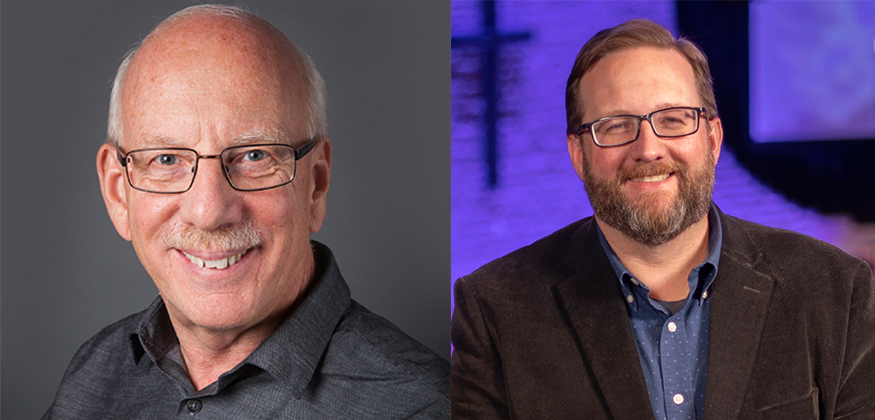

Image one: (L to R) Jim Bradford; Carter McDaniel
Image two: (L to R) Hutson Goza; Dalton Avery

What to Read Next

Faith Practices Finding New Life
Emerging trends show Americans – especially younger believers – reengaging with traditional Christian practices.
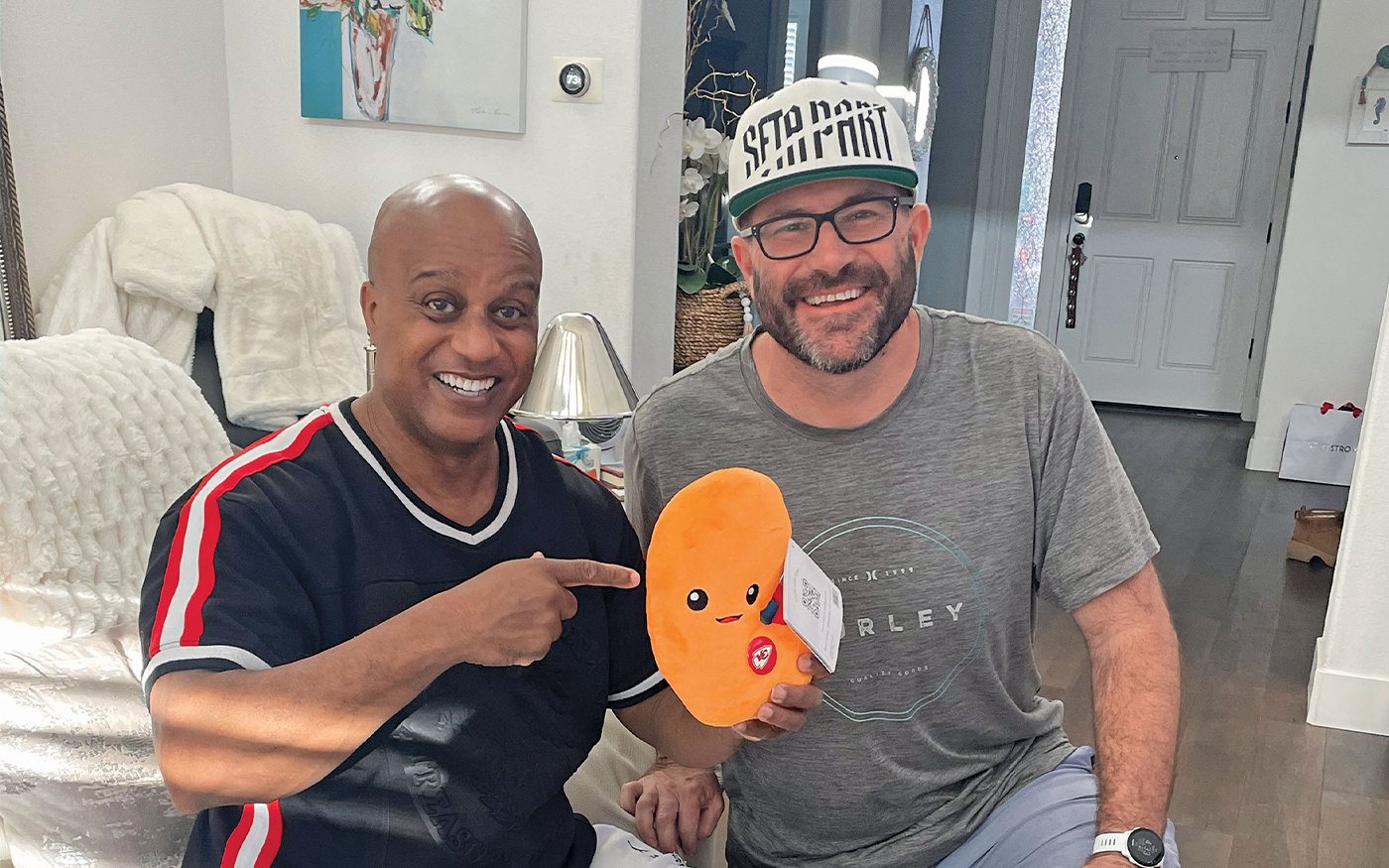
No Greater Love — Giving the Gift of Life
When a congregant needed a kidney, pastor Ross Morrill stepped up to help.

Prayer for America
As the United States celebrates its 250th birthday, General Superintendent Doug Clay offers six ways he’s praying for our nation.

Popsicle Sticks and Crowns — Christ’s Victory Can Be Ours
Serving God has never been about outrunning someone else or coming in first.
