 ASSEMBLIES OF GOD
Identity Crisis

The message that Wilfredo “Choco” De Jesús shares today with fathers across America began with a painful memory from his own childhood.
Before becoming a national leader in the Assemblies of God, De Jesús grew up in Chicago where his father was absent from his life at an early age.
“When I was young, 8 years old, I remember going to a bar and pleading with my dad not to leave my mom,” he shares.
Despite his courageous plea, his father left the family and moved to New Jersey. De Jesús spent the next 53 years of his life without a relationship with his biological father.
“Growing up as a young Puerto Rican male in a poor Chicago neighborhood without a father and without faith in Christ could have easily led to a different outcome for me,” De Jesús says. “According to sociologists, I’m a status inconsistency. Statistically, I should be dead or on the streets of Chicago. But God.”
Today, De Jesús serves as the executive director of AG U.S. Missions, having formerly served as the general treasurer for the Fellowship.
Like De Jesús, many children today are victims of the fatherless epidemic that has been sweeping the country for decades. According to the U.S. Census Bureau, 1 in 4 children live without a biological or adoptive father in the home. Pew Research Center reports this statistic has more than doubled since 1960.
De Jesús believes the fatherless epidemic is producing significant consequences across society.
“When something is absent, there are ripple effects,” he says. “When there is a fatherless generation, you see more foster care, more prisons, higher dropout rates, and fewer children in church.”
But he says there is a deeper issue closely tied to the crisis of fatherlessness: a crisis of identity among men.
“In America, we’ve incarcerated men at high rates for the last 40 years. But beyond physical incarceration, many men are living in the cage of uncertain identity,” he says, citing a study that found that the United States has the highest share of children living in single-parent households globally.
This cultural cage is a metaphor that De Jesús uses as he travels and ministers, challenging men across the country to pick up the spiritual mantle of their homes.
When he speaks, his message is one of freedom. He often tells men, “The cage door is open. Walk out. It’s time to take your post. Be the priest of your house. Protect your family.”
Another contributing factor to the country’s fatherless epidemic, De Jesús says, is the decline of intentional discipleship for men in churches.
“For more than 2,000 years, the Church and culture have been at odds. But today we often see the Church trying to accommodate culture and, instead, unintentionally allowing that to replace discipleship.”
The result is that many men have never directly been challenged to step into the role of spiritual leader.
“We have to look men in the face and say, ‘Lead worship in your home. Lead prayer in your home.’ We have to challenge them,” says De Jesús.
He goes on to share what he considers to be one of the most powerful biblical pictures of masculine identity being forfeited and then restored: the life of Jacob.
Jacob was a man with an identity crisis, he says. In an attempt to rob his older brother of their father’s blessing, Jacob lied about his identity.
“When Isaac asked Jacob to tell him who he was – when he asked him for his name – Jacob told him that he was Esau. From that moment, in my opinion, Jacob lived with a 20-year identity crisis.”
He continues, “Decades later, Jacob wrestled with God and was again asked the same question: ‘What is your name?’ God had given him an opportunity to reclaim his identity. This time, he confessed the truth. He said that his name was Jacob, a deceiver, a liar, and a runner. It was in that moment of honesty and surrender that God changed Jacob’s name to Israel.”
De Jesús believes that many men today need a similar encounter with God to remind them who they were made to be and what they were called to do.
Despite the challenges of fatherlessness in America, De Jesús says that there is still hope. God is still doing a mighty work in families and in the lives of fathers. During recent ministry trips, he reports seeing encouraging signs among younger generations.
“I’m seeing more young men getting married these days and owning their responsibility,” he says. “They’re committing to their families and fighting the fatherless epidemic.”
When men discover their identity in Christ and step into their God-given roles as husbands, fathers, and the spiritual leaders of their homes, the ripple effect begins to move in a different direction, notes De Jesús.
“When we start heading in this direction, we see families strengthened, we see churches strengthened, and we see communities strengthened,” he says.

What to Read Next
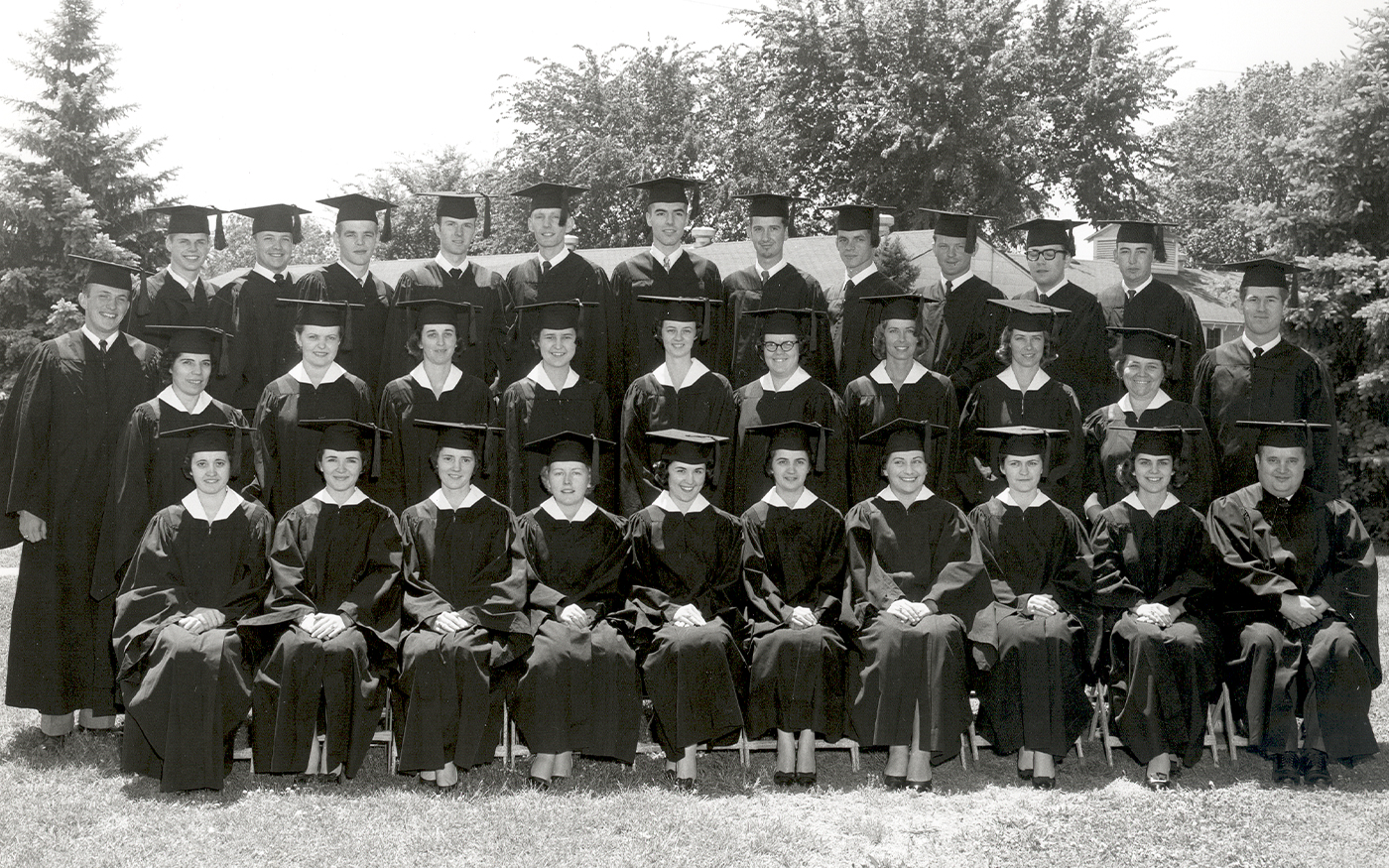
This Week in AG History — June 14, 1959
Evangel College, the Assemblies of God liberal arts college, resulted from the desire to see AG lay young people — called into business and other professional work — receive a professional and Pentecostal education.
The Armor of God — an Unexpected Journey with Duct Tape to Leadership
God can use anything to shape a person's future — even a few rolls of duct tape and some cardboard.

Family Matters — Ignite Parenting Resources Bring Discipleship Home
Ignite Parenting provides resources for family discipleship, including those families with little to no Bible background.

What Did the Kings of Israel Actually Look Like?
Archaeology not only has proven to confirm biblical accounts, it often gives even greater insight into them.
